
Trieste - Friuli & Postojna La Bohème at the Teatro Verdi
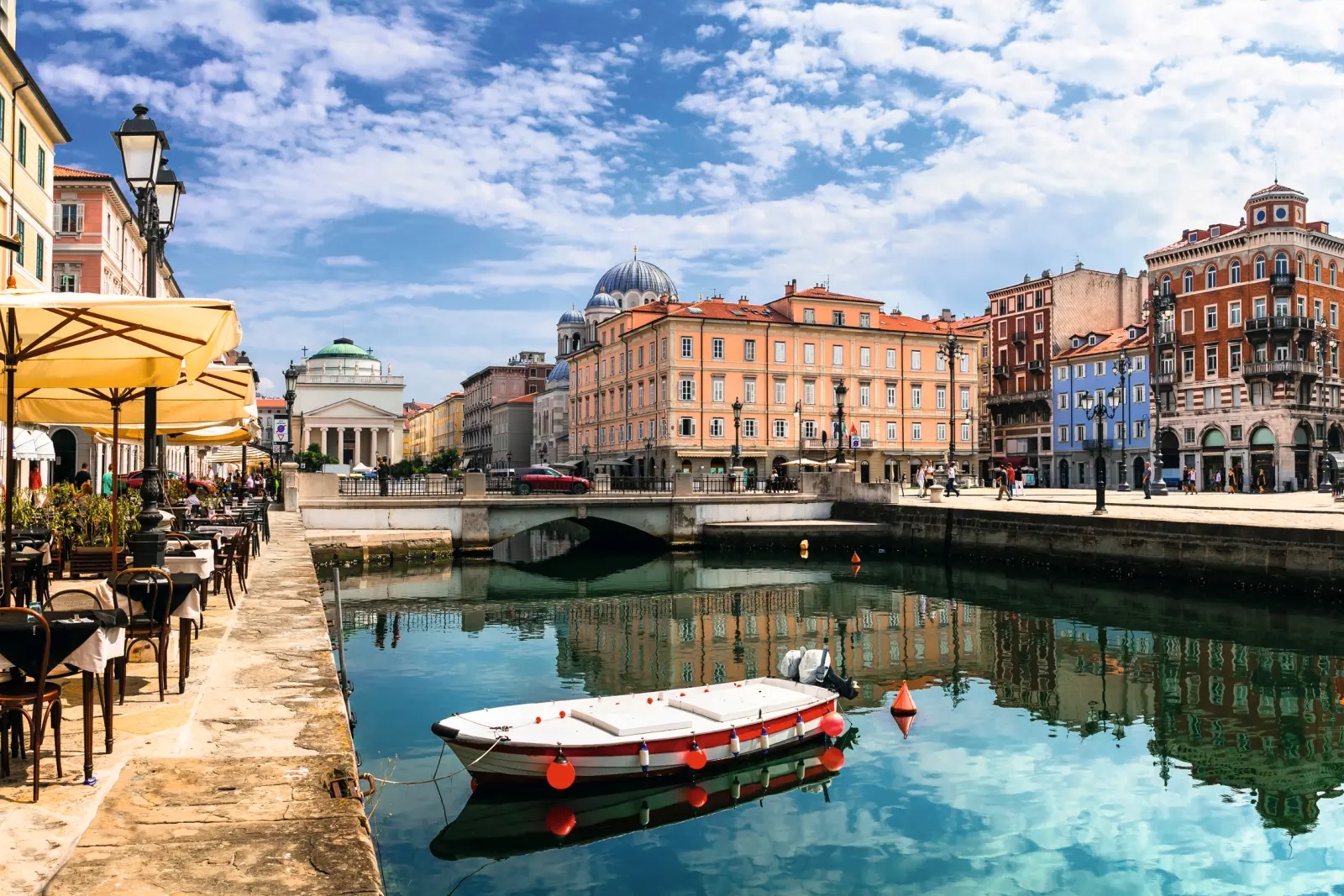
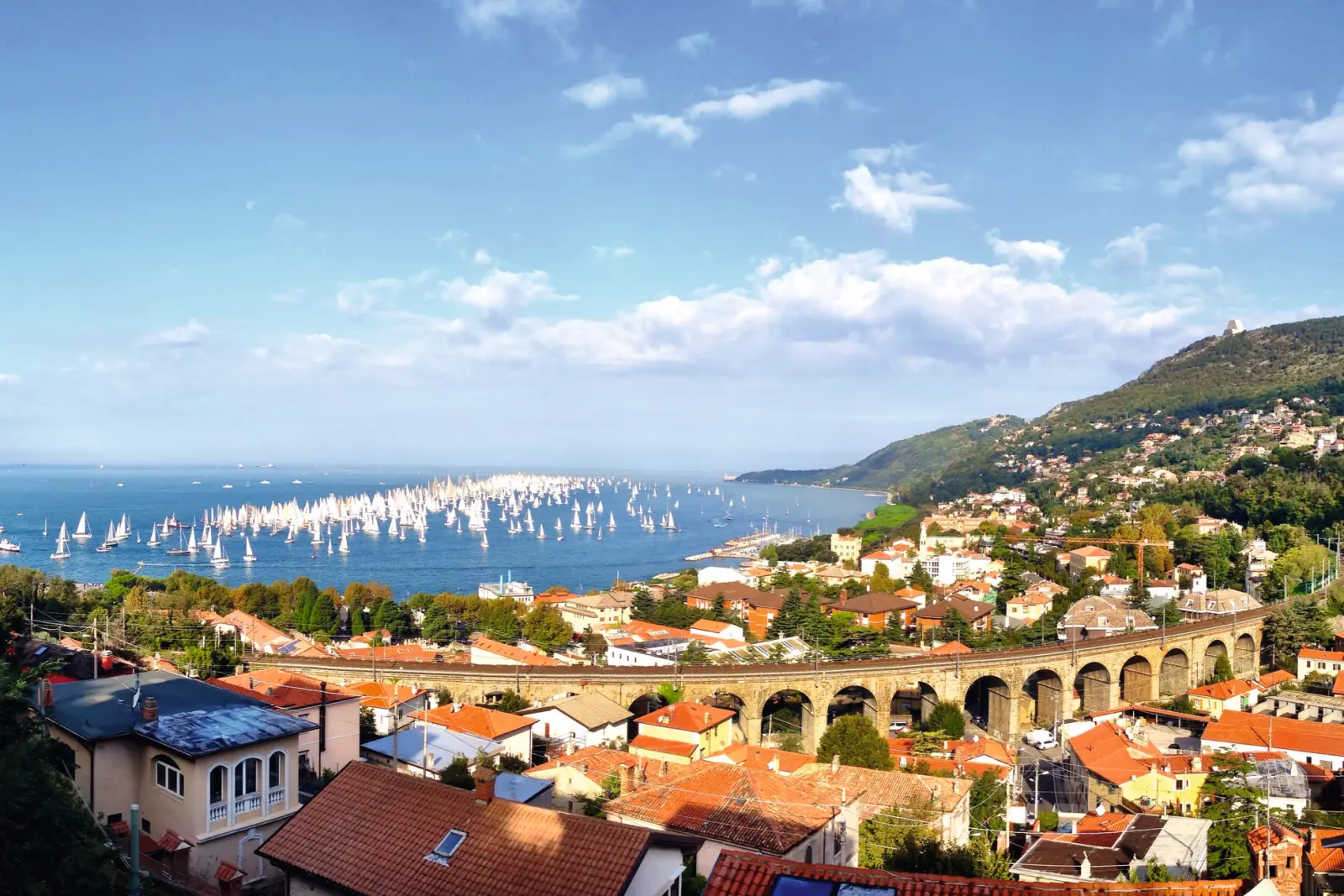
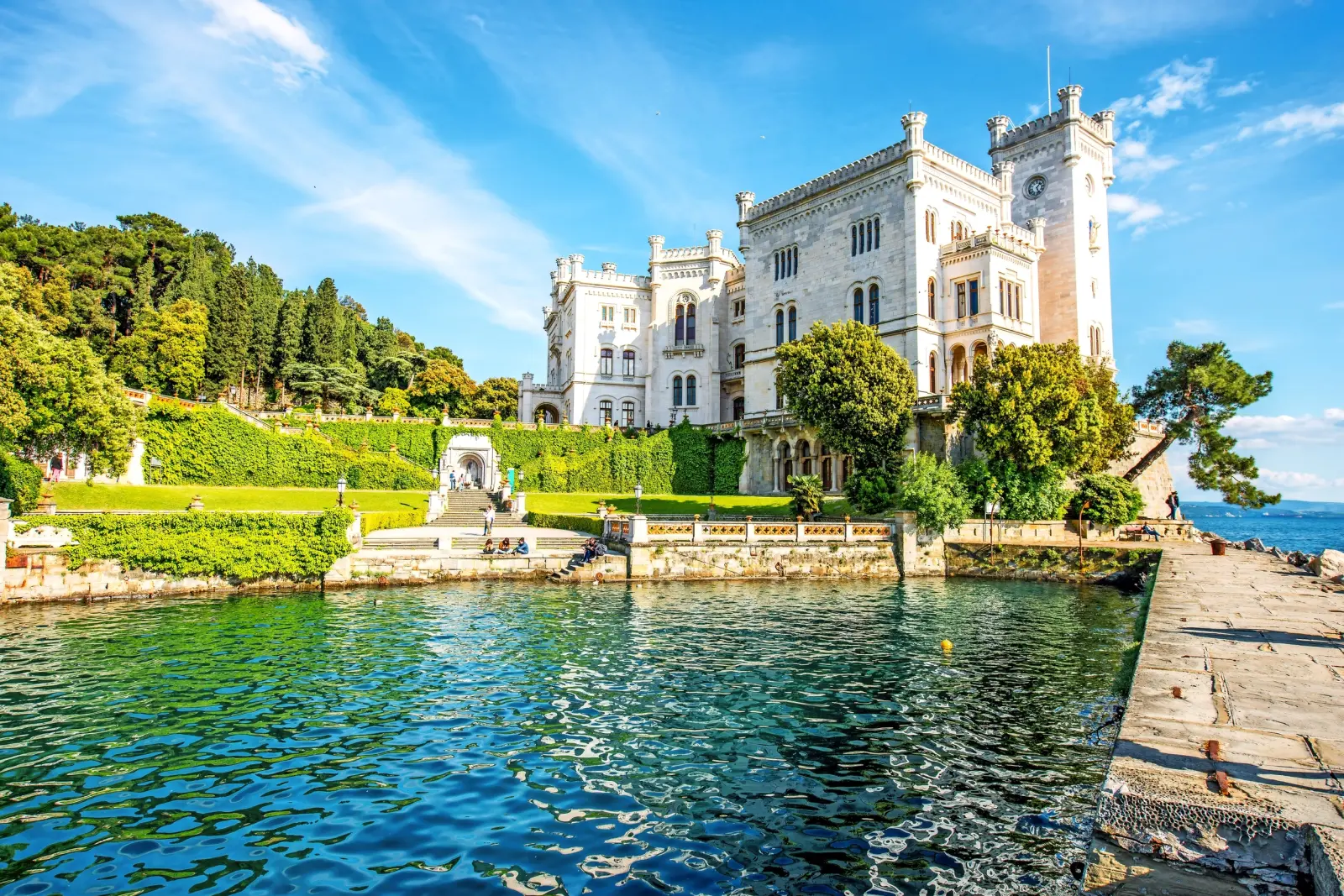
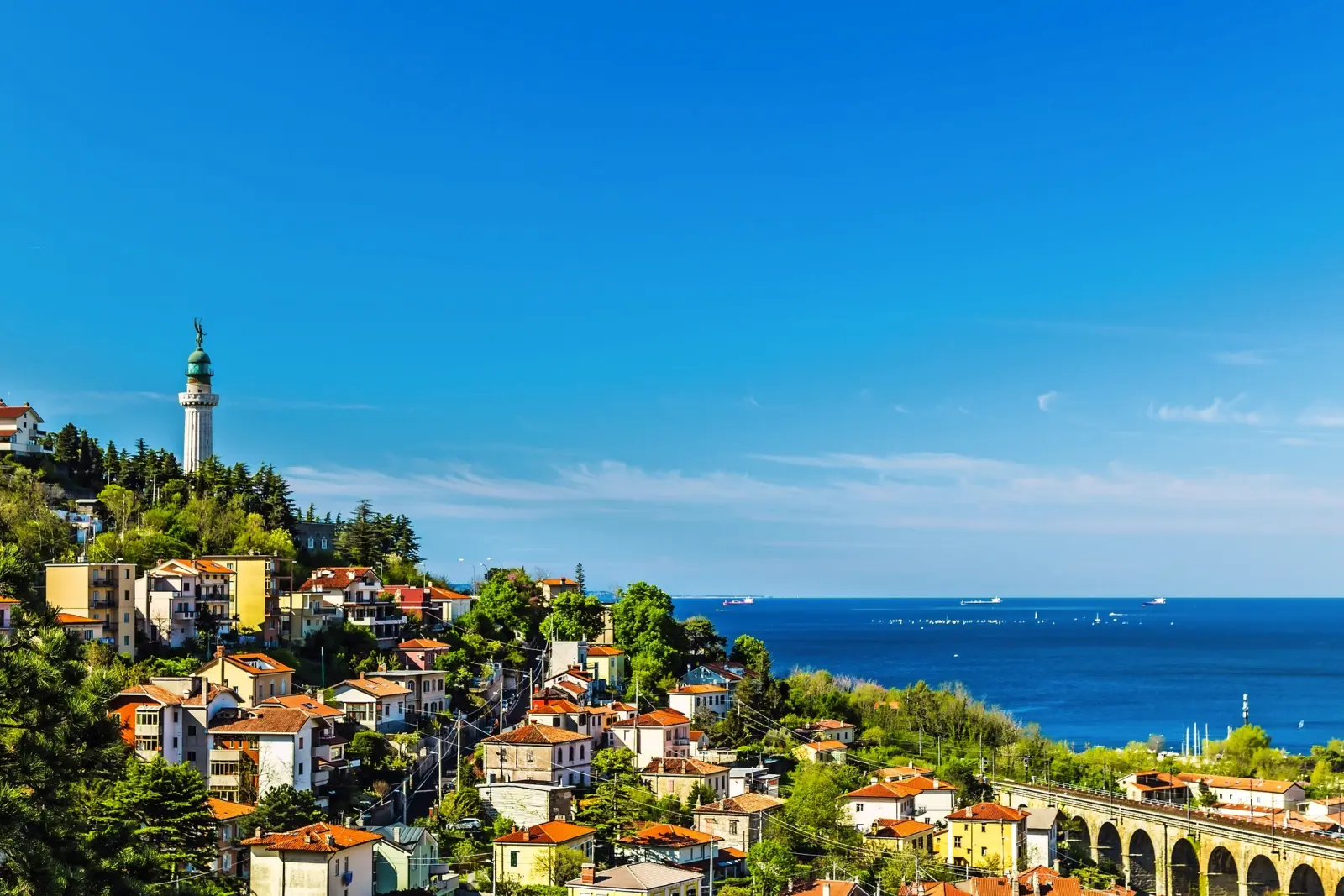
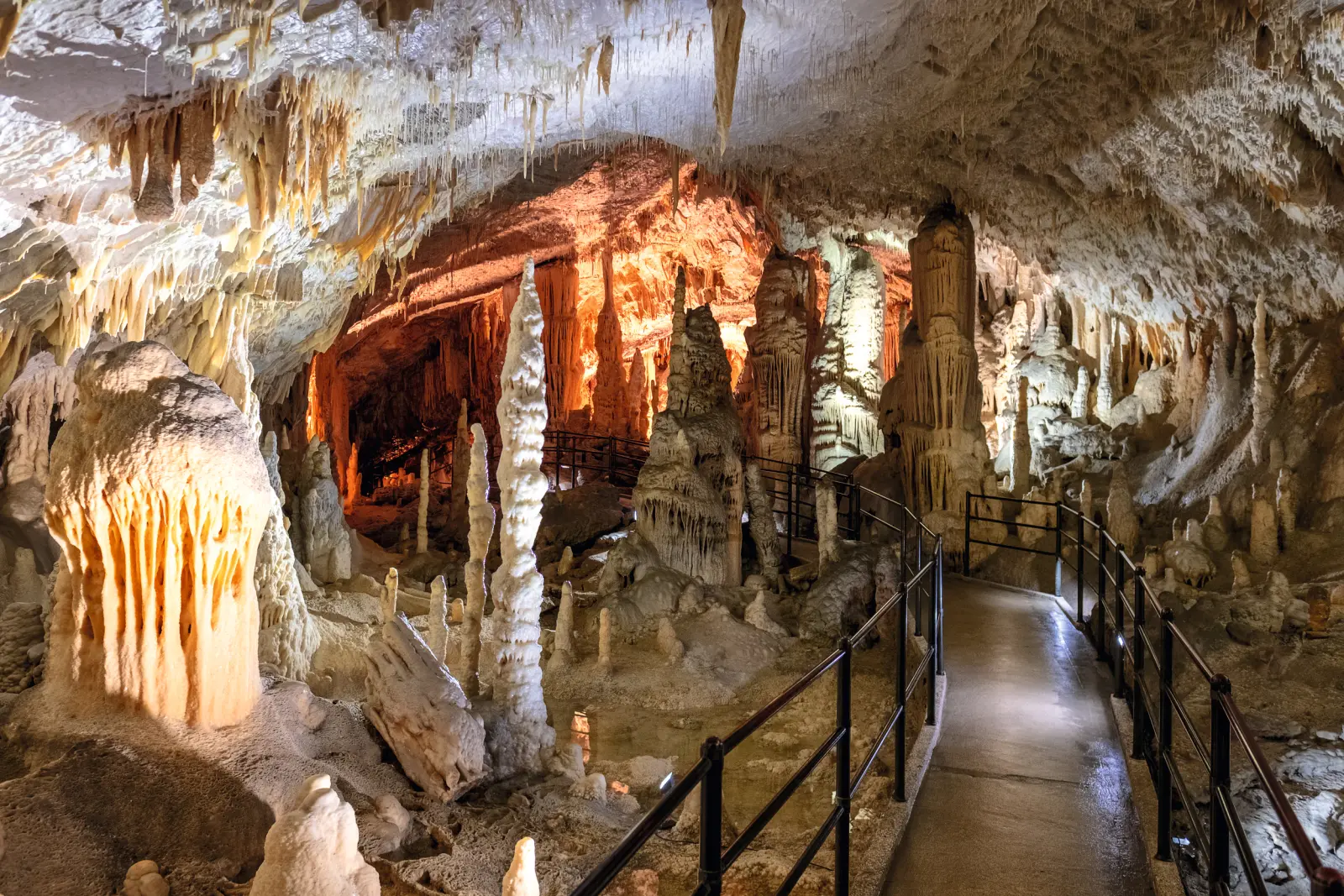
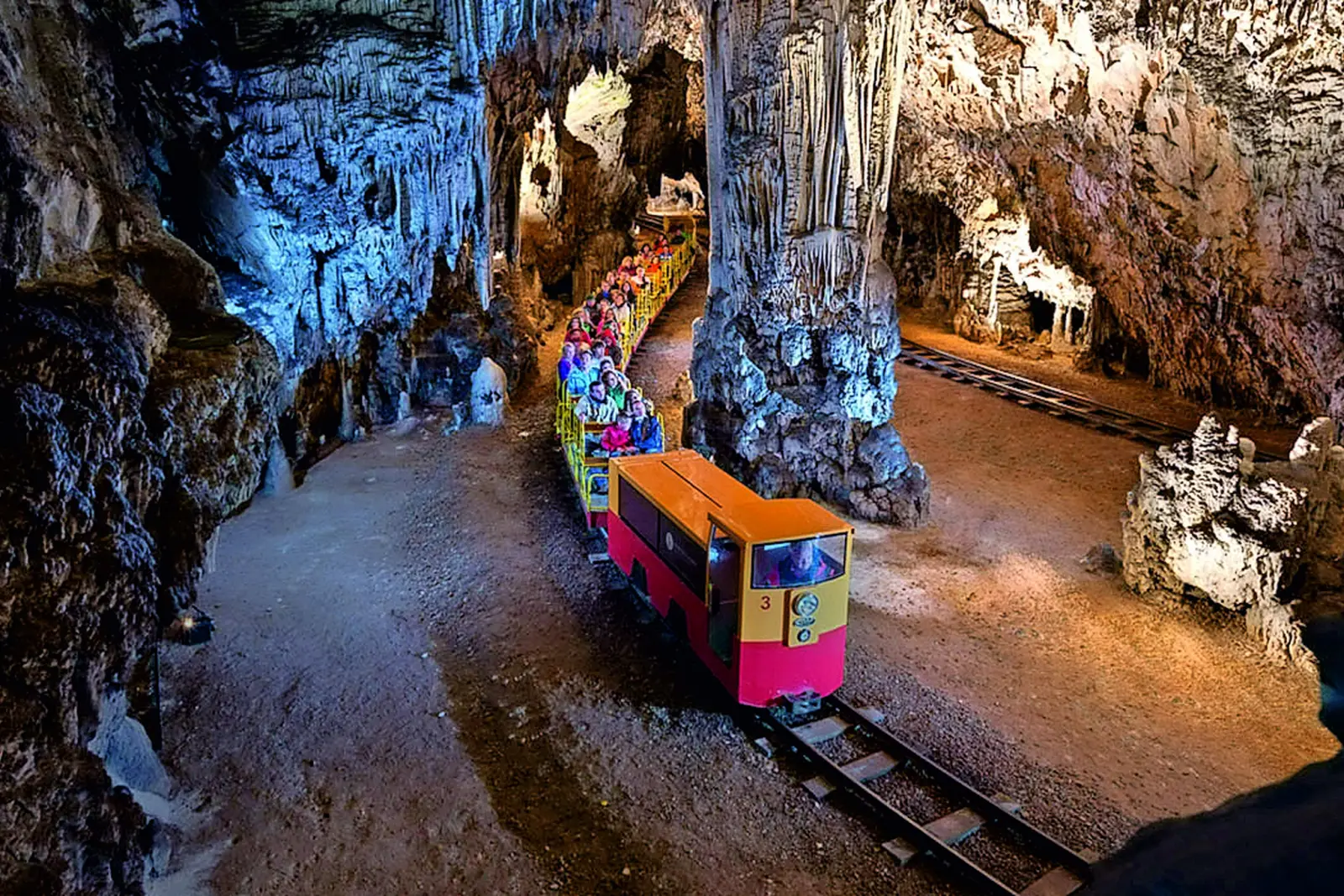
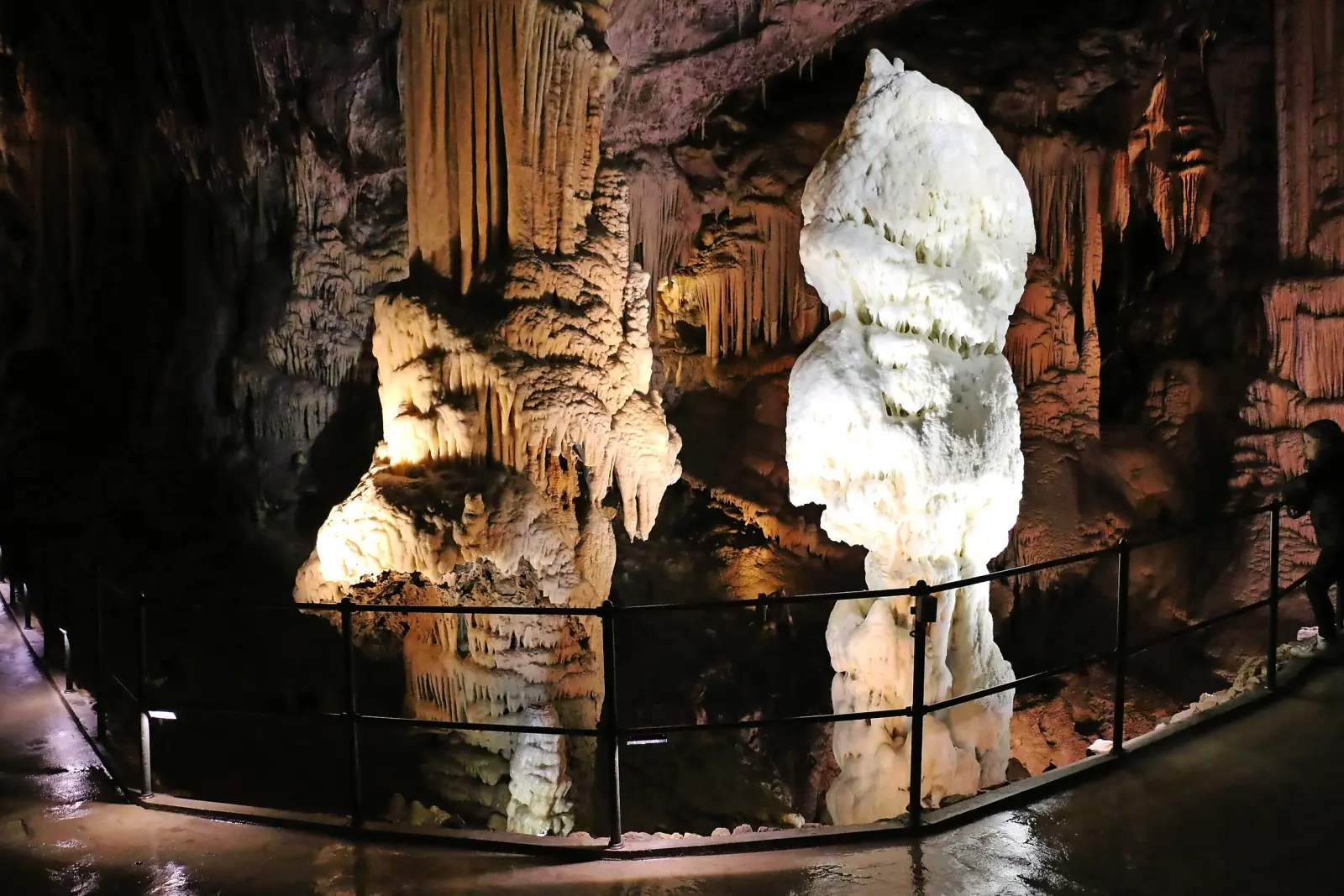
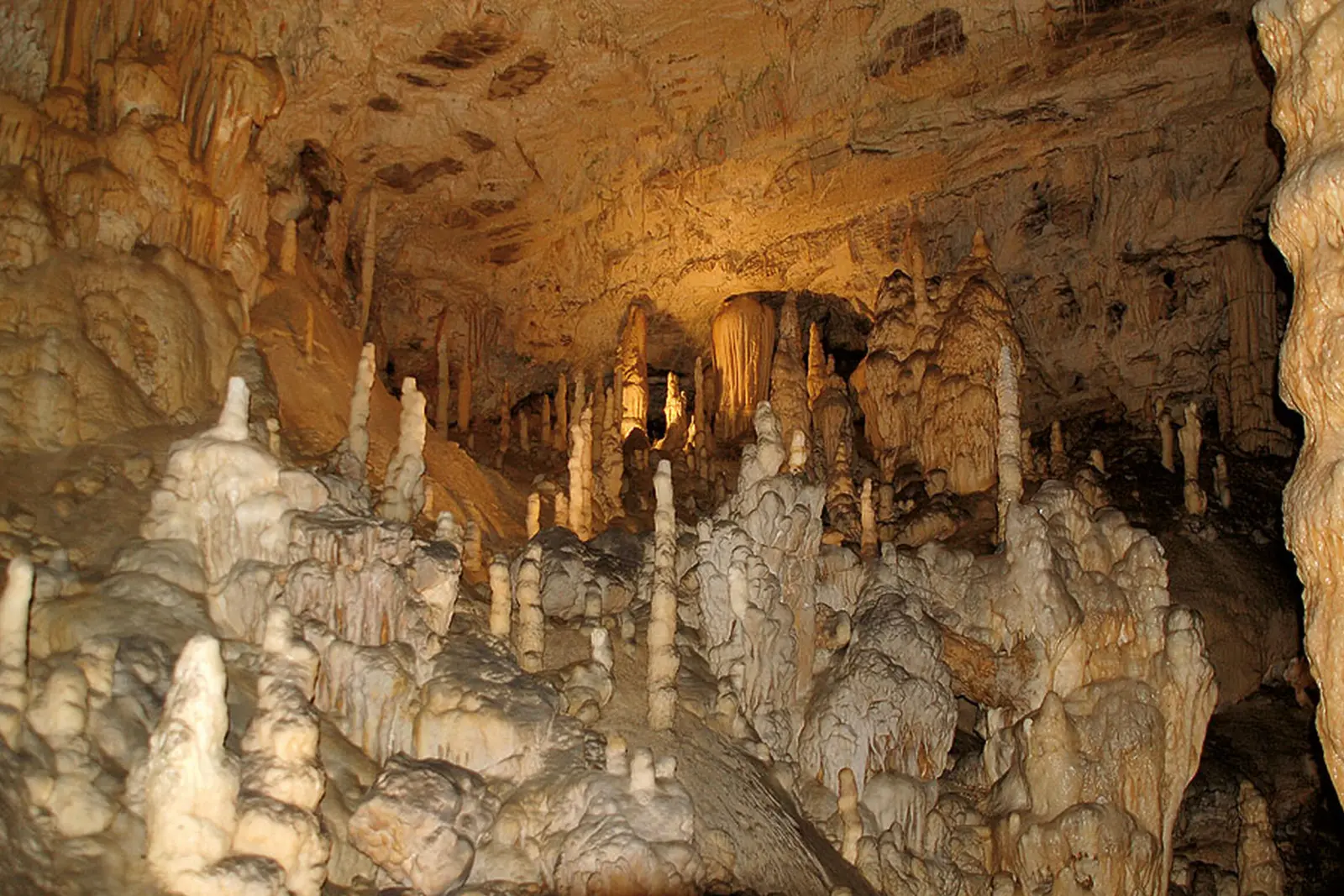
The Italian city of Trieste stands at the crossroads of Latin, Slavic, Greek and Jewish culture. The Teatro Giuseppe Verdi is a beautiful theatre with tiers of boxes and 1,400 seats. Before the opera evening, we visit the magnificent Miramare Castle, the former residence of the Habsburgs, and the following day the Postojna Caves, one of the most beautiful stalactite caves in the world.
Dates and prices

- 2027

| 11.03. - 15.03.2027 | Do. - Mo. | from CHF 2'150.- |

Day 1: Switzerland - Trieste
Journey via Venice to Trieste. Your hotel is located in the heart of the city, directly on the waterfront. Dinner together at the hotel.
Day 2: Trieste & Miramare
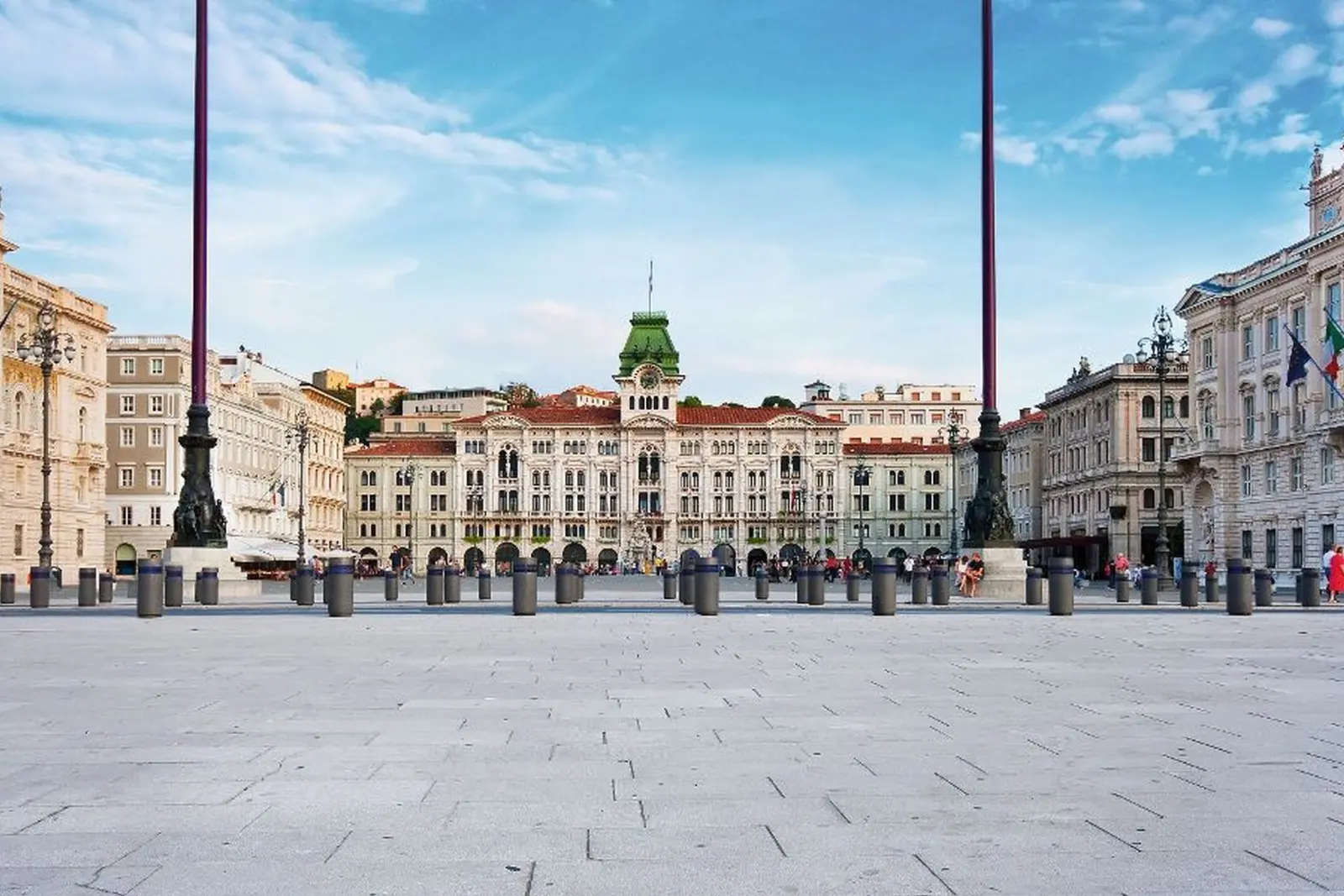
Today you visit the enchanting Miramare Castle, the former residence of Archduke Ferdinand Maximilian of Habsburg. The castle sits high above the sea and is surrounded by magnificent parkland. Afterwards, you explore the city, seeing among other sights the main square and the Roman Theatre. Evening at leisure.
Day 3: Trieste - Postojna & Opera
Today you discover the Karst region and the most beautiful stalactite cave in the world: the Postojna Caves, better known as the Adelsberg Grotto. A gigantic cave system! The ride in on the little train alone is a unique experience. Return to Trieste in the early afternoon. In the evening, you attend the opera performance.
Day 4: Excursion to Friuli
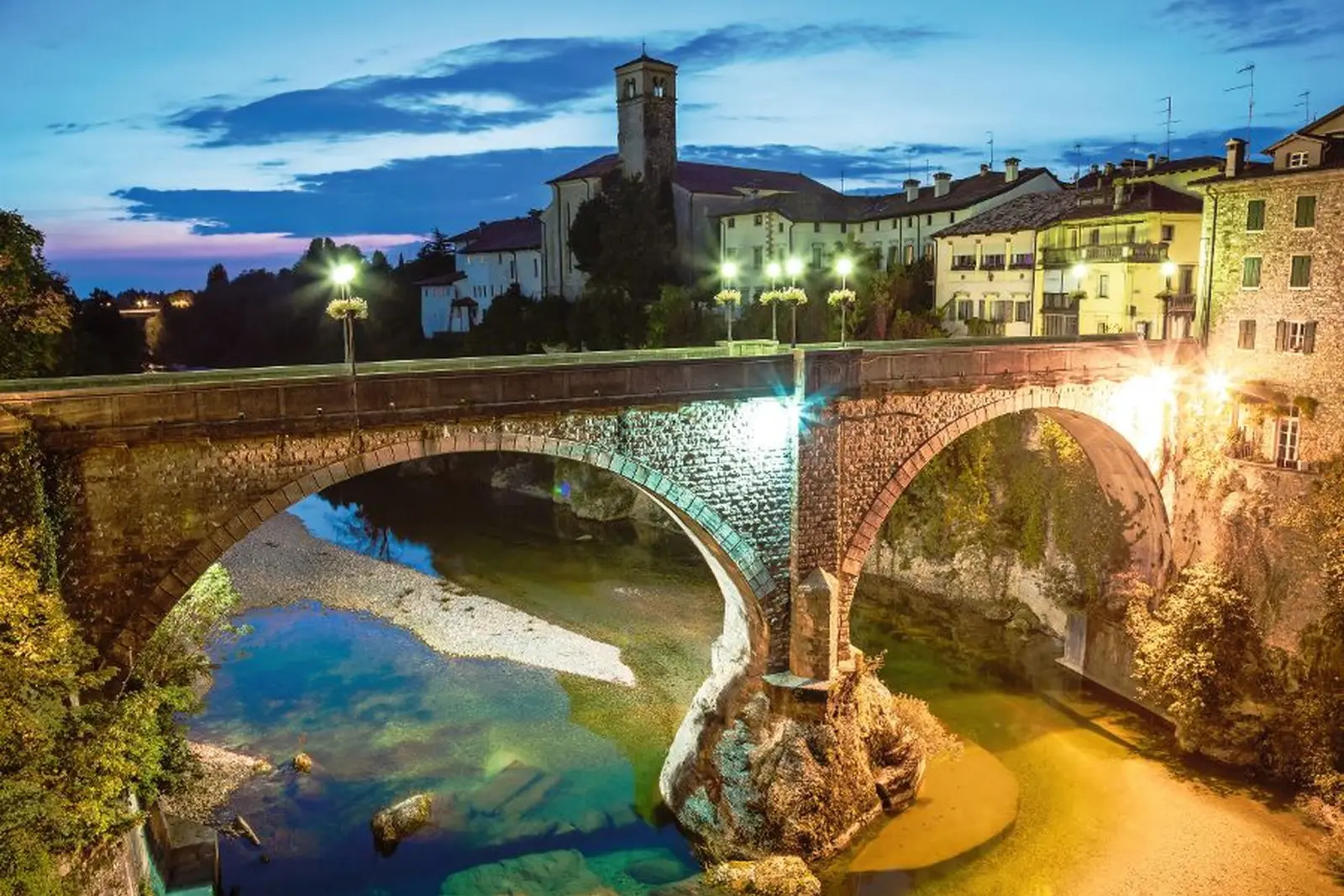
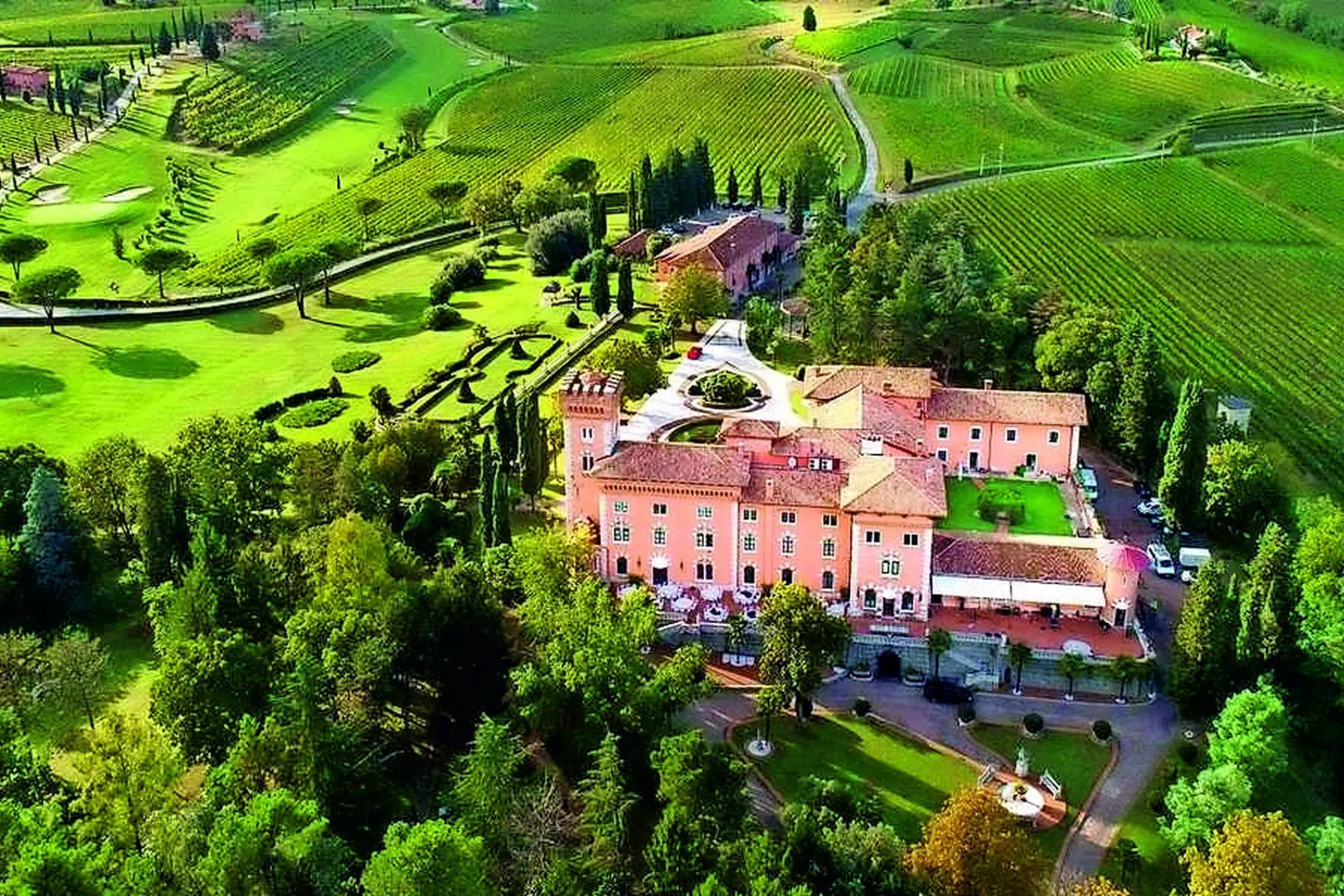
In the morning, drive from Trieste to Cividale del Friuli. On a walking tour, you discover the charming old town with its Lombard heritage and delightful lanes. Continue to Castello di Spessa, picturesquely set in the Collio wine region. There you enjoy a wine tasting with regional specialities and a relaxed lunch in the castle restaurant. Return to Trieste in the afternoon. The evening is at your leisure.
Day 5: Trieste - Switzerland
Return journey to Switzerland.
CarRouge
The Premium vehicles are state of the art and offer generous space: 3 luxury seats per row, individually adjustable headrests and an interior height of 2.10 m create a unique sense of space.
- 30 wide, luxurious Premium armchairs in a 2+1 seating layout
- Generous seat pitch of 90 cm
- Seat belts at every seat
- Height-adjustable footrest, adjustable backrests and armrests
- A unique sense of space thanks to an interior height of 2.10 metres
- Multichannel sound system at every seat, lane assist and adaptive cruise control
- Free Wi-Fi/internet in Europe


Included
- Travel by Car Rouge, 2+1 seating
- Music tour manager from/to Switzerland
- Accommodation in a carefully selected 4* hotel
- 4 x B&B (room and breakfast buffet)
- 1 x dinner incl. drinks
- 1 x lunch incl. drinks
- 1 x opera aperitif with antipasti
- 1 x 1st category opera ticket
- Walking tour of Trieste
- Guided excursions
- All admission fees and guided tours
- Car Rouge audio system
Hotels
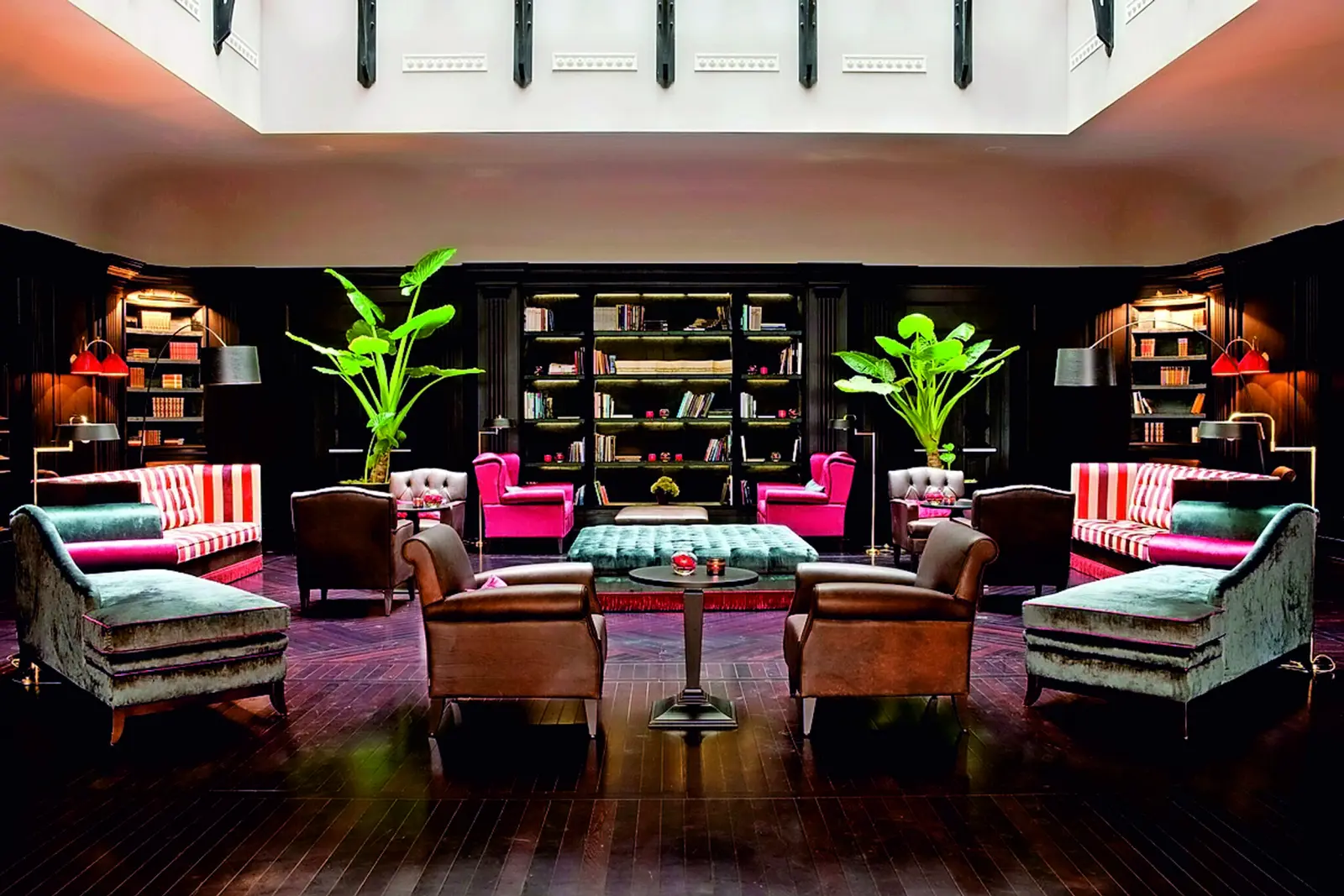
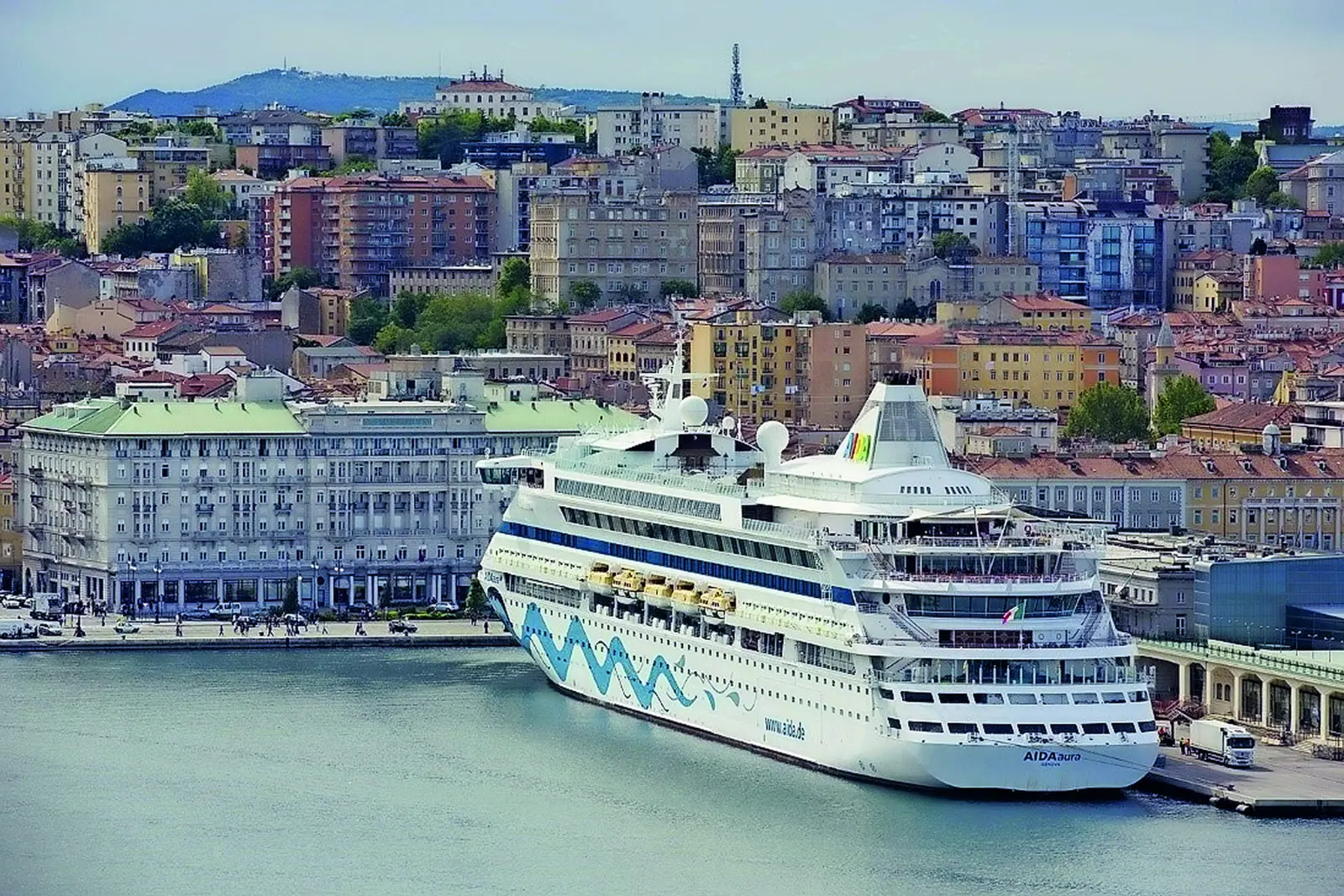
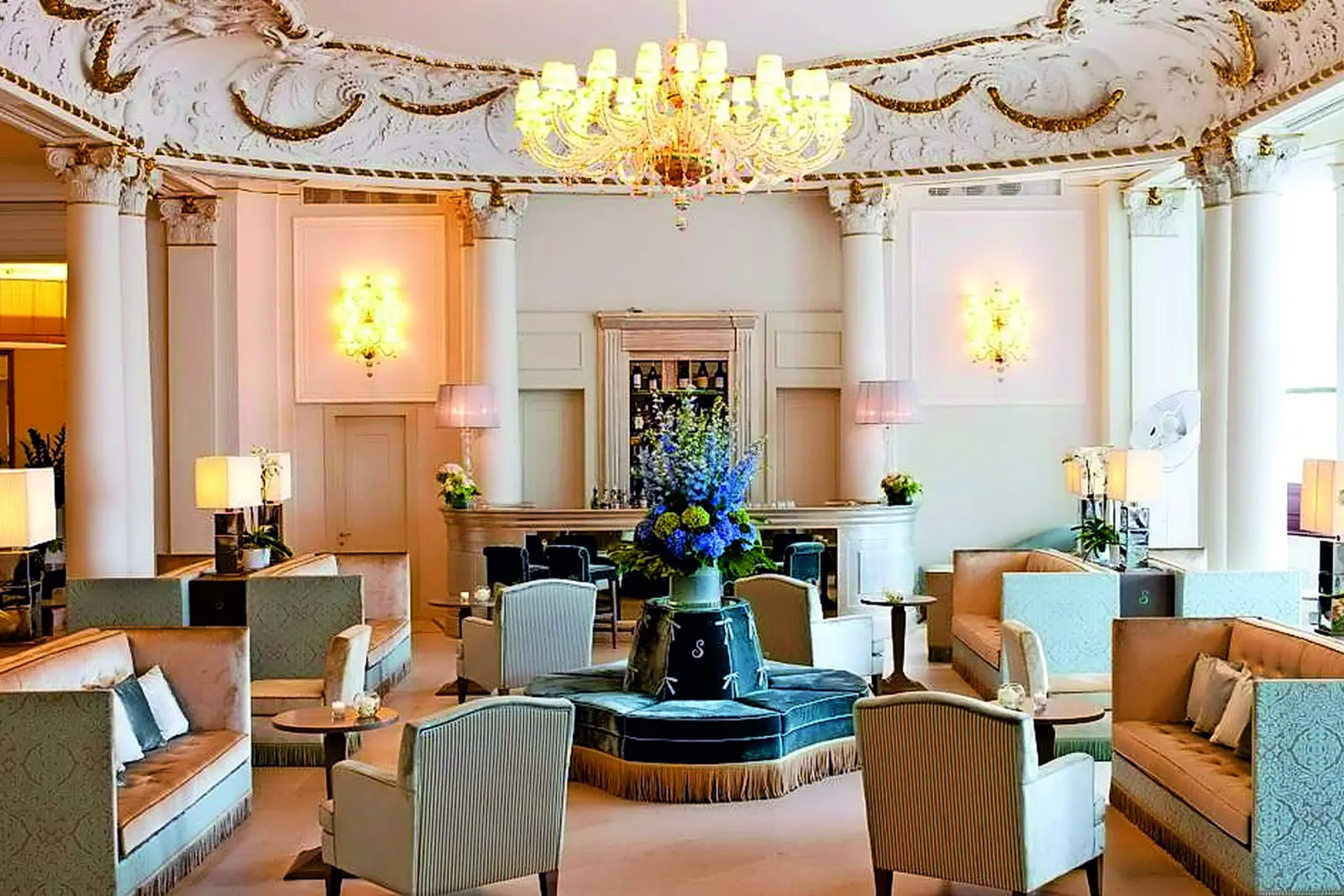
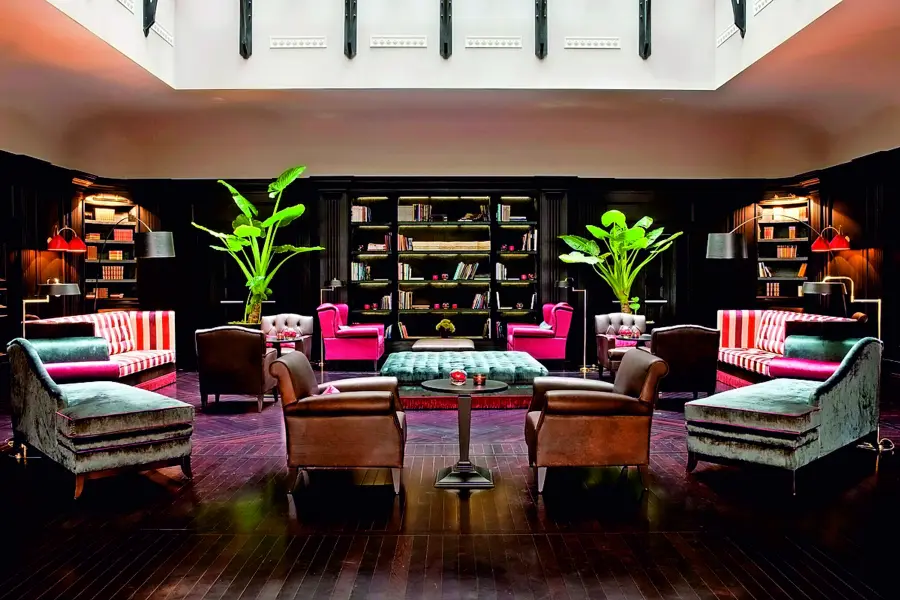
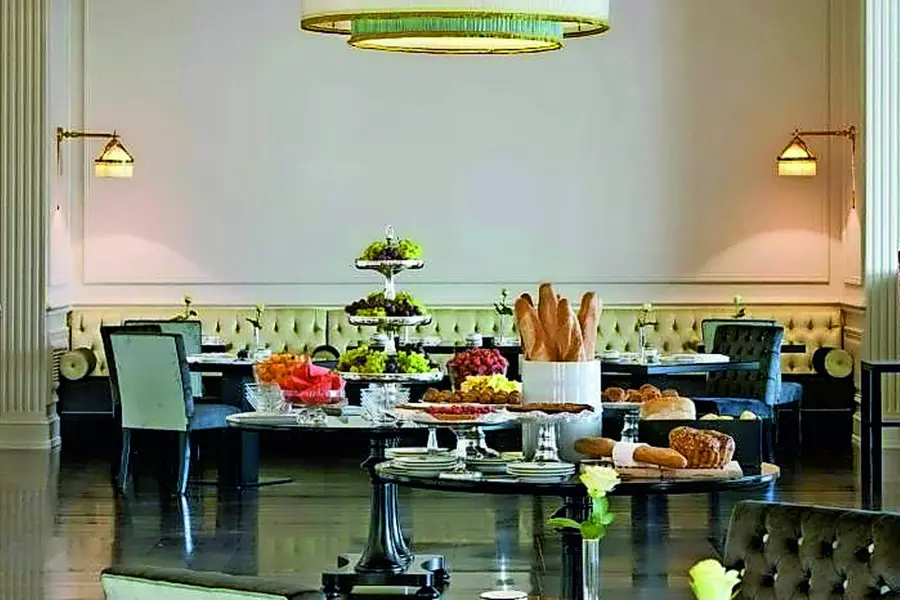
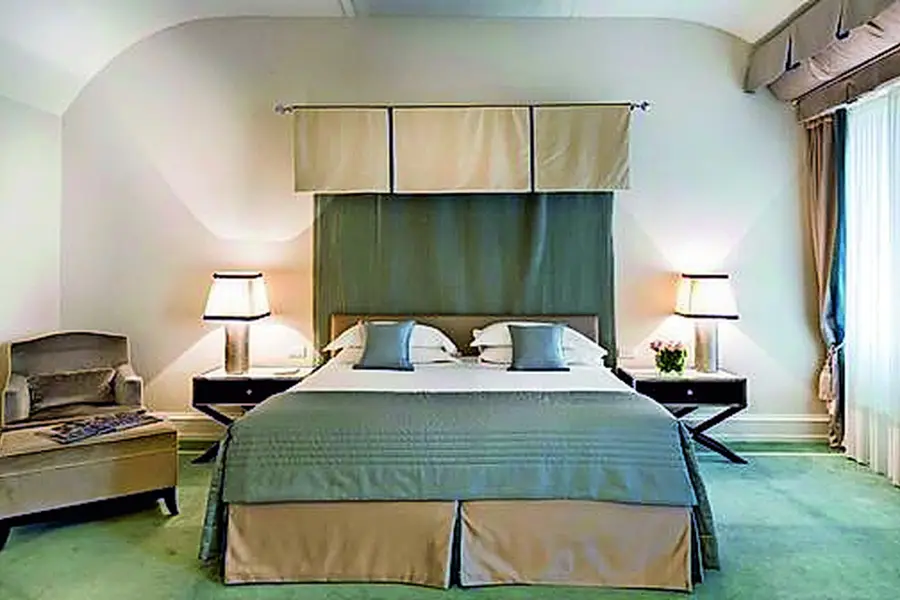
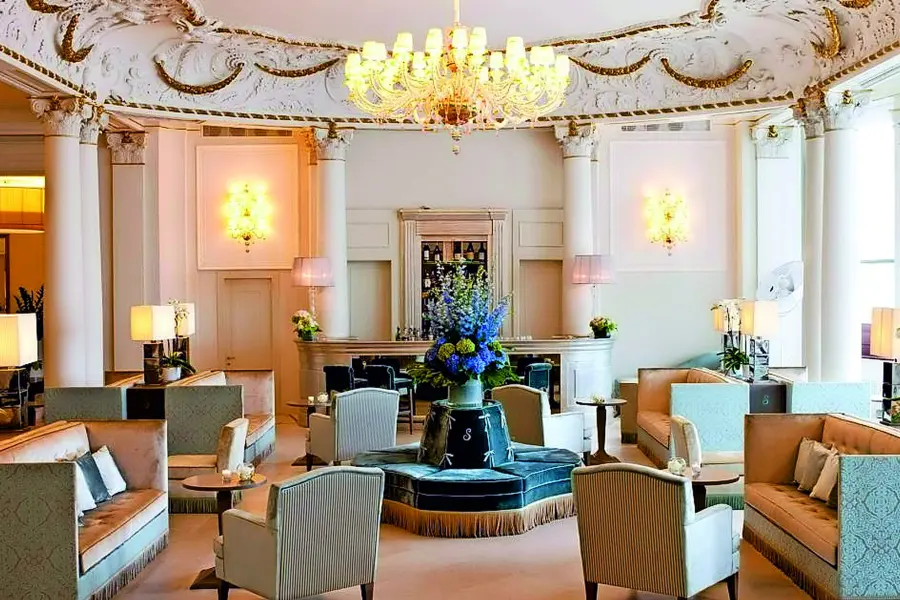
You will stay at the exclusive 4* Starhotel Savoia Excelsior Palace in Trieste. The hotel is located directly on the waterfront in the city centre. The most beautiful square, Piazza dell'Unità, is only 50 m away.
About the opera
Giacomo Puccini: “La Bohème”
“Che gelida manina” – How icy cold this little hand is!
For the opera libretto, Luigi Illica and Giuseppe Giacosa drew on the novel “Scènes de la vie bohème” by Henry Murger. Puccini composed the music over the course of 1895 at his villa in Torre del Lago. Arturo Toscanini conducted the world premiere at the Teatro Regio di Torino on 1 February 1896.
The settings are “Sous les toits de Paris” and the Café Momus on the Rue Saint Germain-L’Auxerrois on Christmas Eve 1830.
In the ice-cold garret, Marcello is painting his picture “Le passage de la Mer Rouge”. The poet Rodolfo stares into the snowy sky. “Eureka,” he suddenly cries. “L’idea vampi in fiamma.” The manuscript goes up in flames. The philosopher Colline comments on the embers. The musician Schaunard throws down a louis d’or: “Luigi Filippo ai nostri piedi!” The quartet spins fantasies. The landlord Benoit demands the rent. The gentlemen engage him in conversation: “L’altra sera al Mabil l’han colto in peccato d’amor.” He boasts: “Son vecchio ma robusto.” He seeks his amusements outside the home. The gentlemen feign indignation and usher him out of the door. That is how one pays the quarter’s rent! Off to the “Momus”! Rodolfo stays behind to finish an article for the “Castoro”. His neighbour Mimi appears with a candle that has gone out and her keys. She faints. He helps her. She wants to leave again, but her candle and his both go out. She loses her key. He finds it and holds her back as he does so: “Che gelida manina!” Her name: Mimi. He is enchanted: “O soave fanciulla!” and kisses her. She confesses: “Io t’amo!”
A turbulent scene in the Latin Quarter. Vendors hawk all manner of wares. Mimi spots a pretty bonnet, “una cuffietta e un bel vezzo di corallo”, while Colline discovers a rare example of the “grammatica runica”. Dinner is served at Café Momus. Colline and Schaunard quote Latin. The children shout “Parpignol!” At the next table, Musetta and the old Alcindoro have taken their seats. Who is she? Marcello, far from flatteringly: “un uccello sanguinario”. She makes a scene and flings down her plate (“una puzza di rifritto”). Mimi believes Marcello is in love with Musetta. That was long ago. Colline contents himself with his pipe and Greek texts. Musetta feigns a painful foot to draw attention. Marcello weakens. The waiter brings “il conto”. Musetta asks for both bills, promptly hands them to her companion and leaves him empty-handed (“E dove s’è seduto, ritrovi il suo saluto!”). Entrance of the tattoo (“ritirata”) and the “tambur maggiore”. Musetta is carried shoulder-high by Marcello and Colline.
“La Barriera d’Enfer” on a February morning. The “lattivendole”, the milkmaids, are already on their way. Mimi is looking for Marcello. Musetta is giving singing lessons. Mimi does not want to meet the jealous Rodolfo.
There is talk of parting. He confesses to his friend: he loves Mimi, but she is ill. Love alone is not enough to keep her alive. Mimi despairs: “al solitario nido ritorna un’altra volta”. They bid each other farewell while Marcello and Musetta quarrel. He, jealous: “sotto il mio cappello non ci stan certi ornamenti”. Musetta scornfully calls the cuckolded lover a “Pittore da bottega”.
Back in the garret: Marcello and Rodolfo throw down pen and brush. Schaunard brings four pagnotte. Colline serves up a herring. The gentlemen dance among themselves: gavotta, menuetto, pavanella, quadriglia, rondo. They fence with fire tongs and poker. Musetta has found Mimi exhausted in the street. Marcello is to fetch a doctor. Mimi and Rodolfo recall the happy times of their first meeting. Marcello brings heart drops. Musetta sings “Madonna benedetta”. Schaunard: “E spirata”. Rodolfo’s last cry: “Mimi!