
Opera trip to Venice: Gran Teatro La Fenice Madama Butterfly and Il barbiere di Siviglia
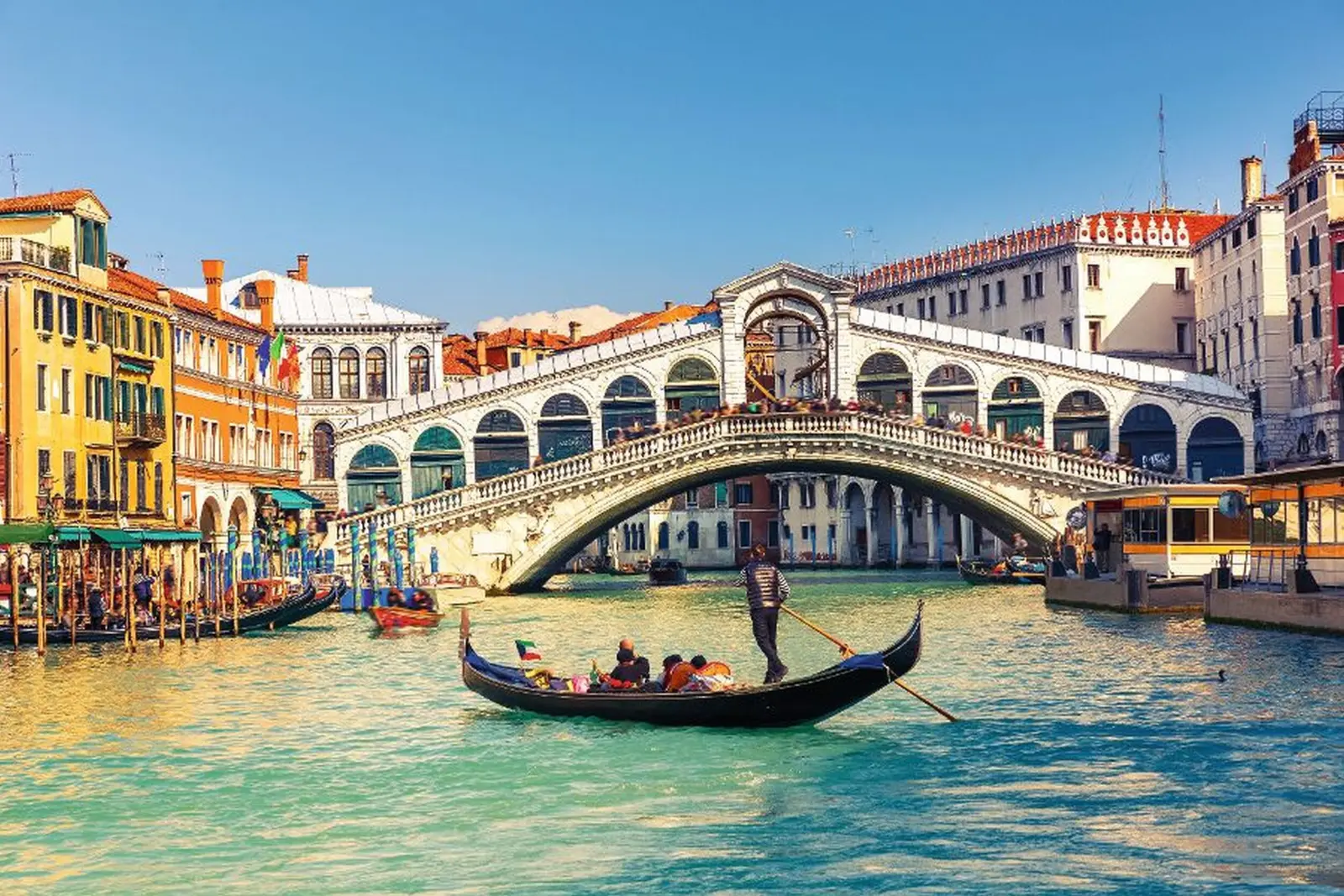
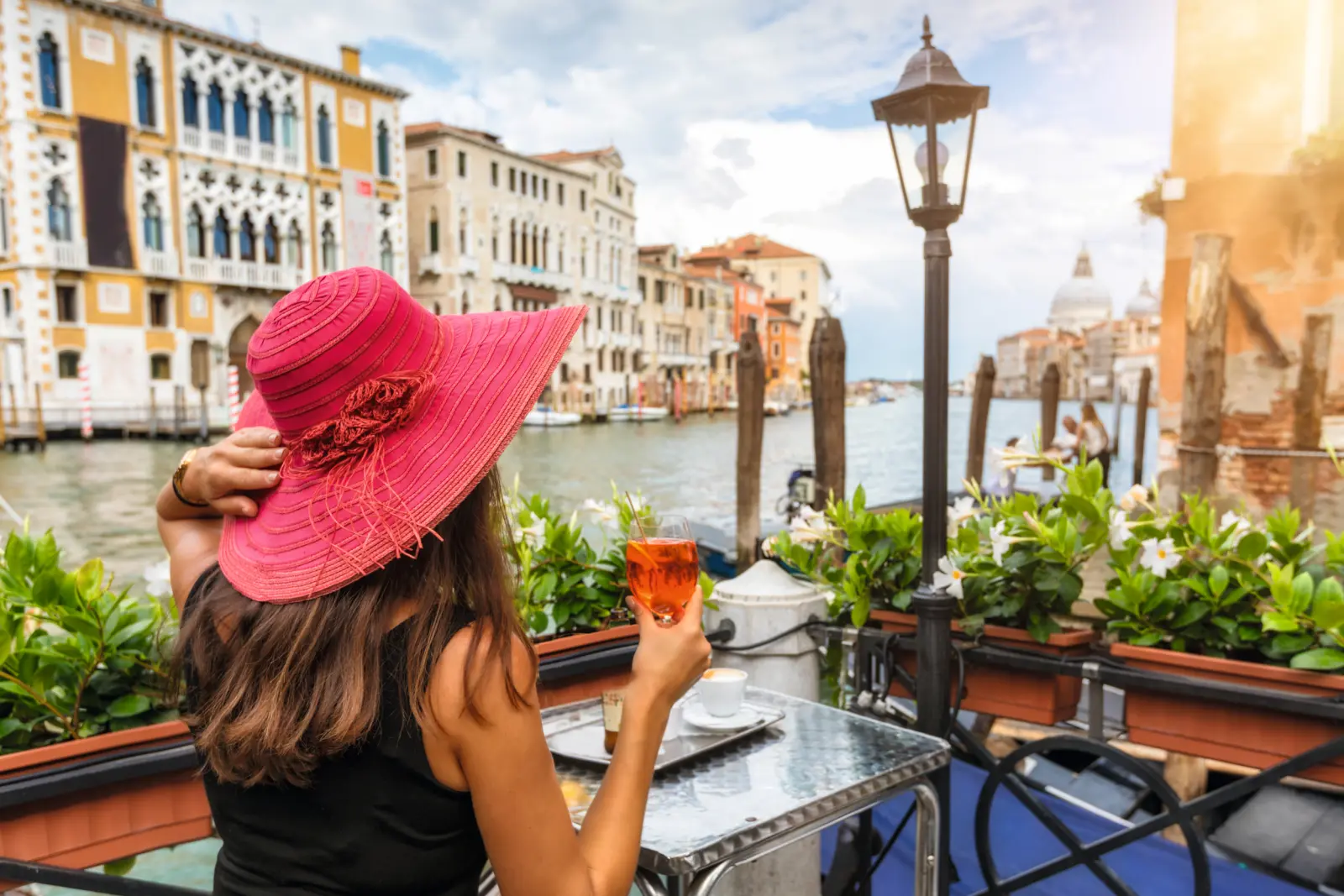
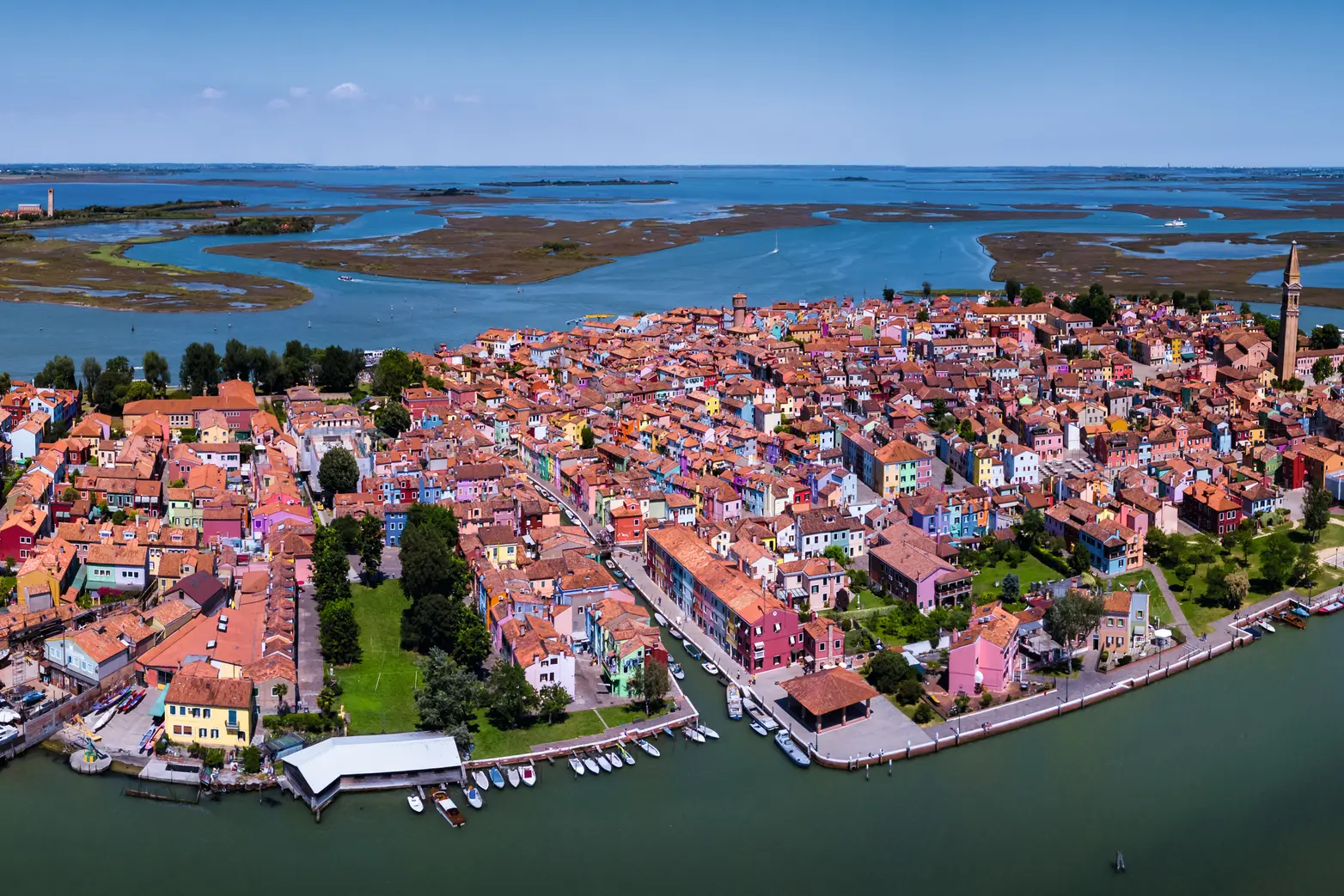
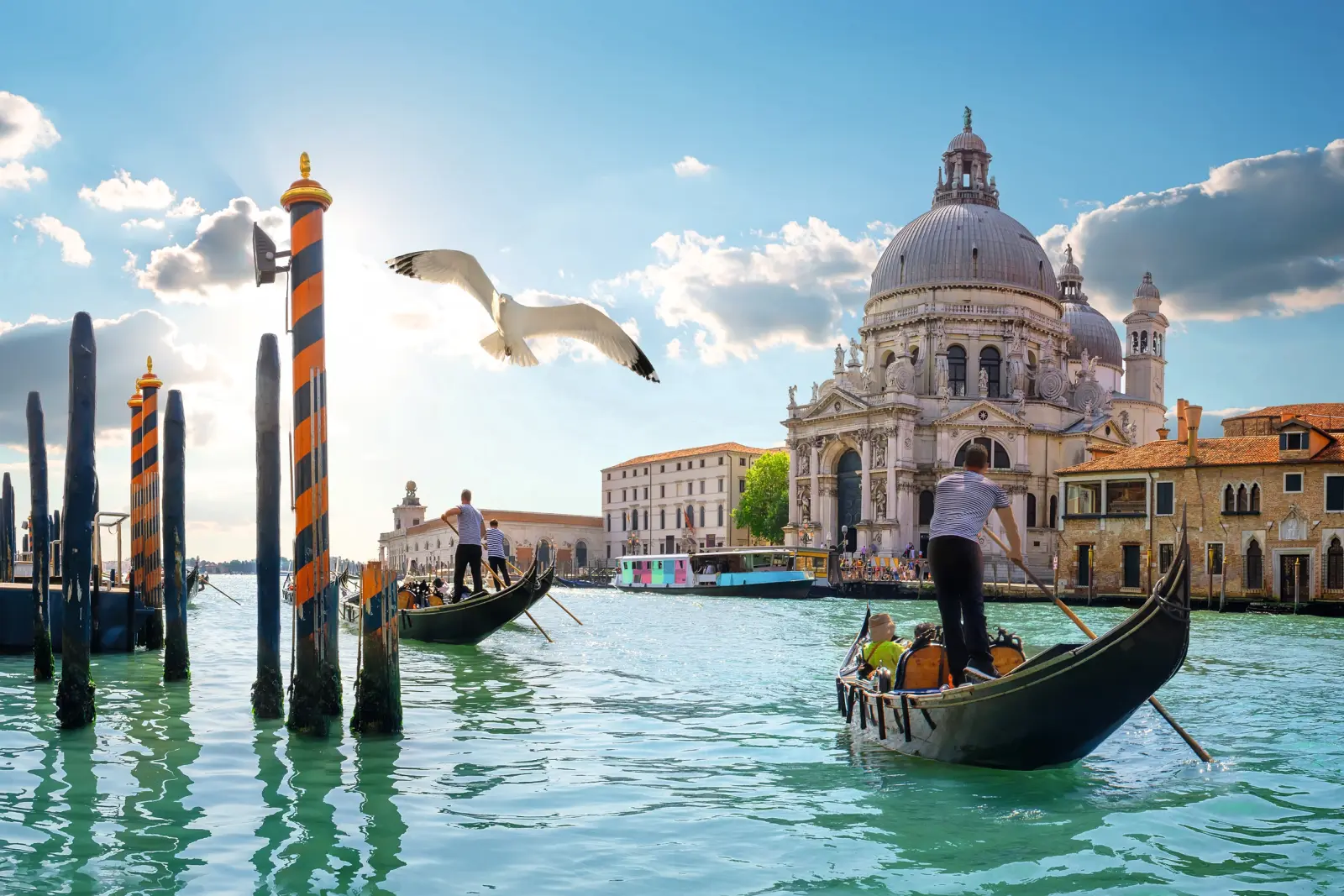
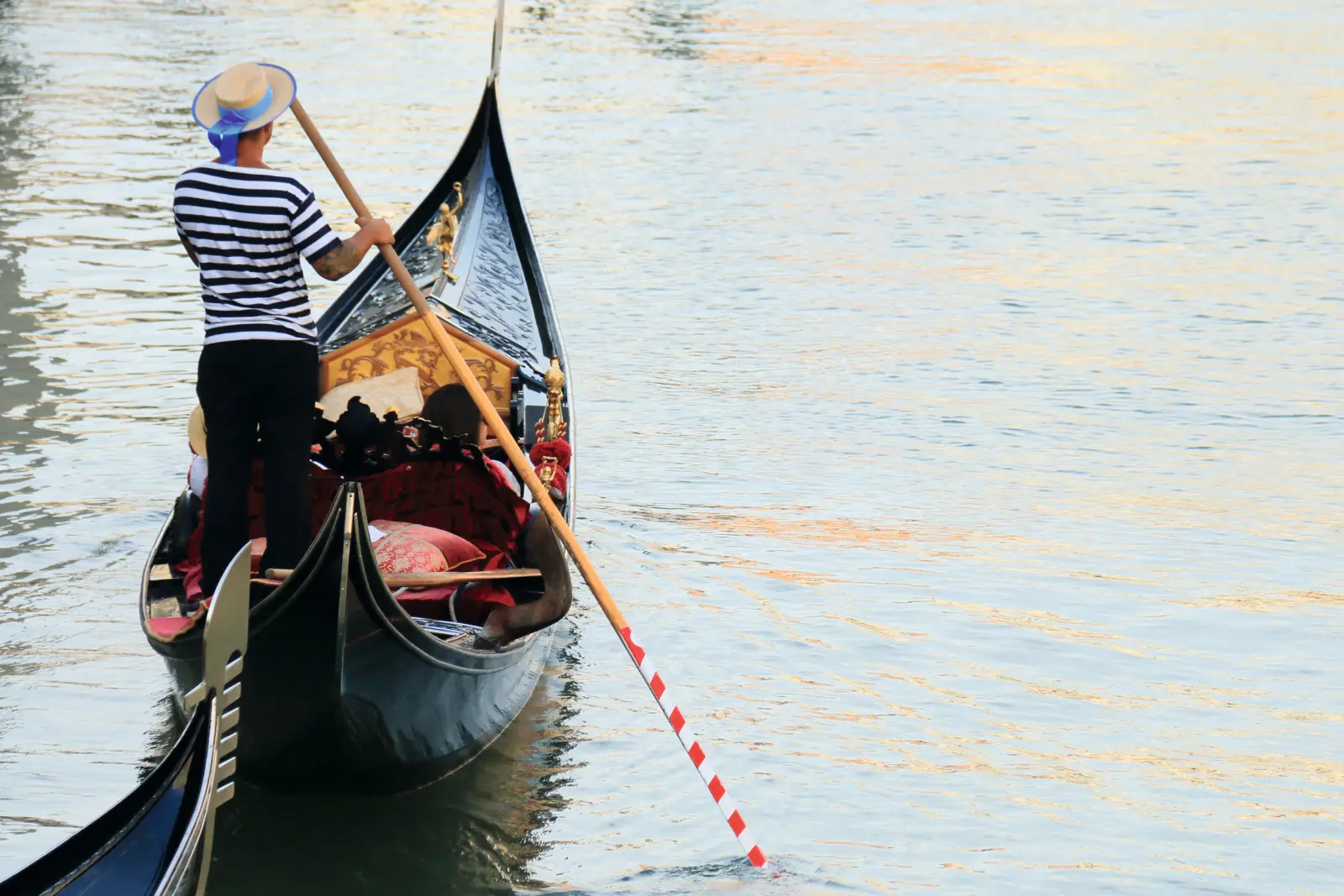
Incomparable, entertaining, romantic: Venice is a city full of magic. The beautiful Piazza San Marco is arguably the most elegant drawing room in Europe, surrounded by masterpieces of the highest order. You will surely fall under the spell of this fascinating city. Discover the lagoon city with an experienced local guide. Enjoy a performance at the magnificent Gran Teatro La Fenice and in a Venetian palazzo.
Dates and prices

- 2027

| 08.02. - 11.02.2027 | Mo. - Do. | from CHF 2'350.- |

Day 1: Switzerland - Venice
Journey via Milan to Venice. A water taxi takes you to the hotel. The rest of the day is at your leisure. Let yourself drift through narrow, picturesque alleyways or enjoy a first cappuccino in the legendary "Florian", the oldest café in Italy, where Goethe, Thomas Mann and Ernest Hemingway once enjoyed the refined ambience. In the evening, speciality dinner together.
Day 2: Venice & opera at the Gran Teatro
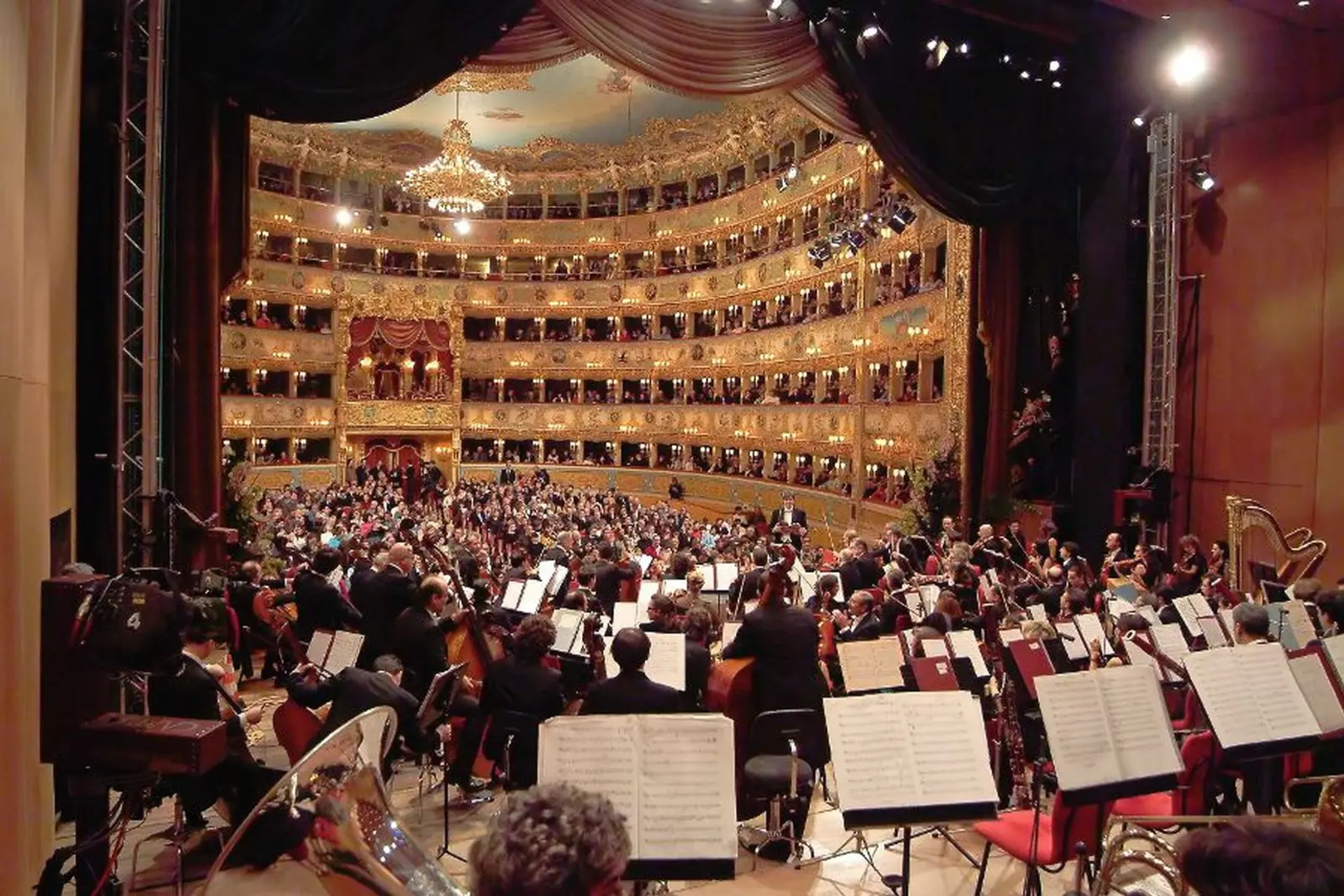
In the morning, a fascinating visit to the Doge's Palace: historic splendour, magnificent paintings and hidden secrets of Venetian history. Free afternoon. Before the performance, enjoy a typical Italian opera aperitif. Performance at the Gran Teatro La Fenice.
Day 3: Venice & opera at the Palazzo
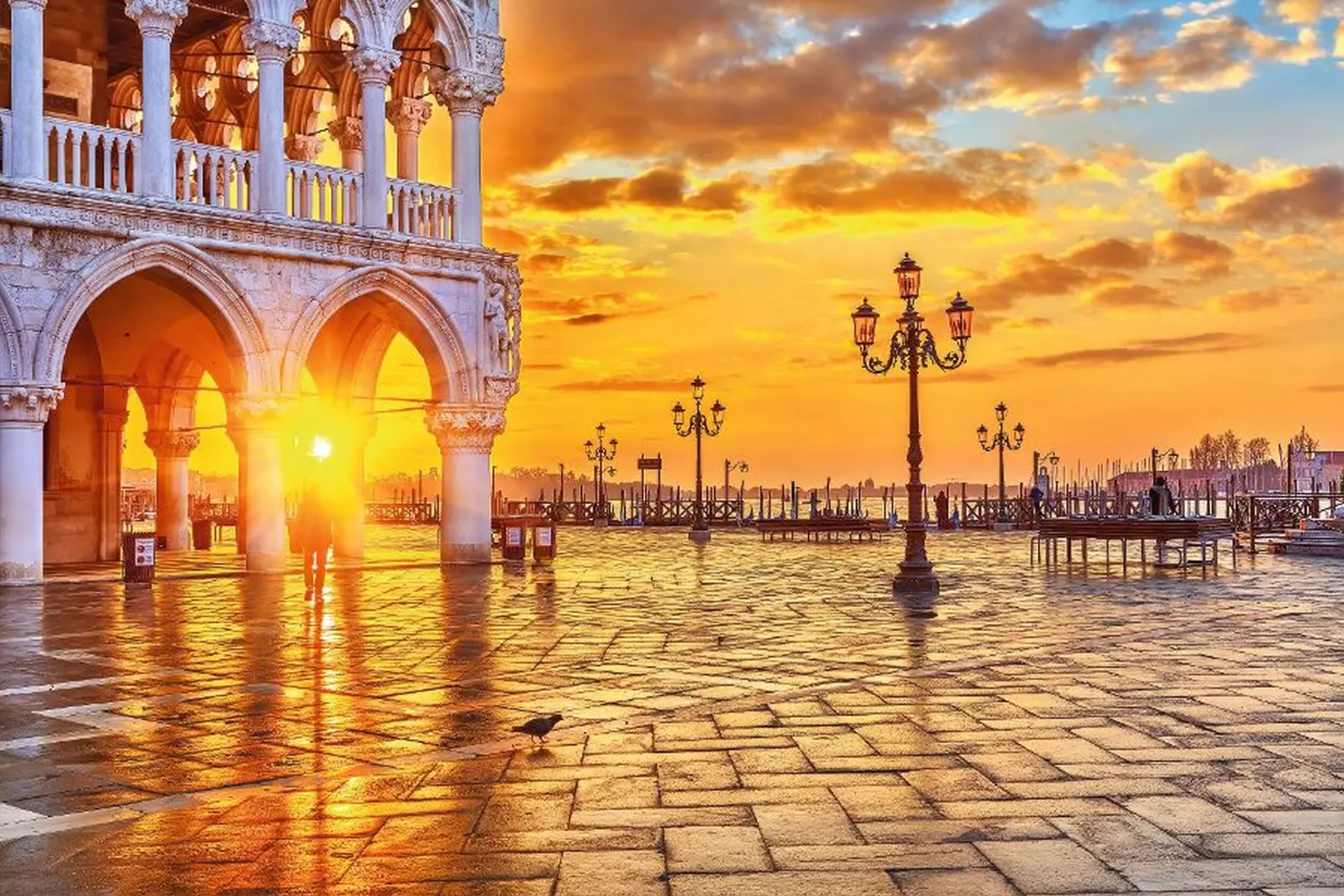
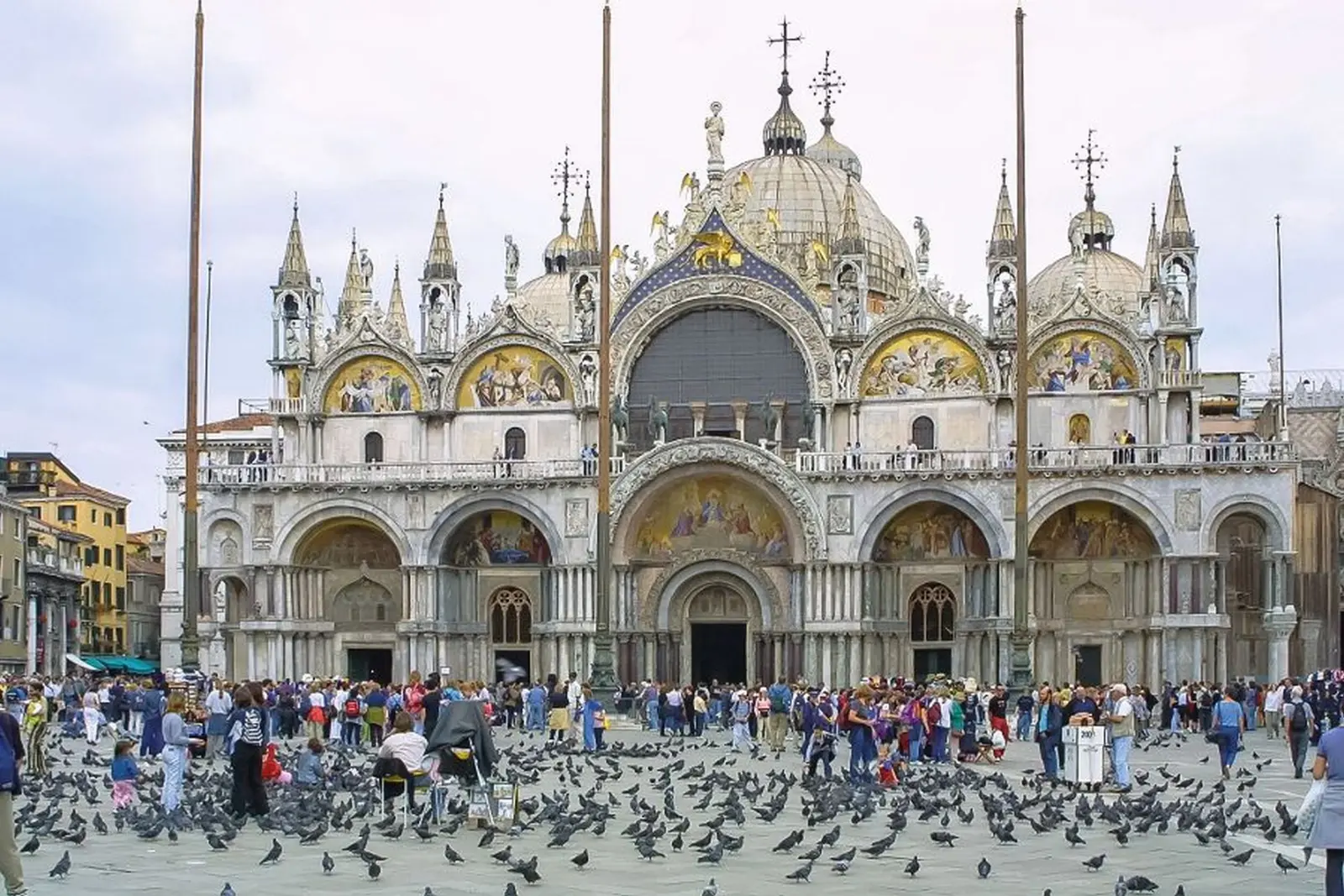
After breakfast, a city tour awaits you. On a two-hour walk, you will get to know some of the city's most important sights, such as St Mark's Square and St Mark's Basilica. Free afternoon. Opera performance in a Venetian palazzo. Each act takes place in a different room of the palace.
Day 4: Venice - Switzerland
Breakfast at the hotel. Return journey to Switzerland.
CarRouge
The Premium vehicles are state of the art and offer generous space: 3 luxury seats per row, individually adjustable headrests and an interior height of 2.10 m create a unique sense of space.
- 30 wide, luxurious Premium armchairs in a 2+1 seating layout
- Generous seat pitch of 90 cm
- Seat belts at every seat
- Height-adjustable footrest, adjustable backrests and armrests
- A unique sense of space thanks to an interior height of 2.10 metres
- Multichannel sound system at every seat, lane assist and adaptive cruise control
- Free Wi-Fi/internet in Europe


Included
- Journey by Car Rouge coach, 2+1 seating
- Music tour manager from/to Switzerland
- Accommodation in a carefully selected 4* hotel
- 3 x BB (room/breakfast buffet)
- Water taxi to the hotel and back
- 1 x speciality dinner incl. wine
- 1 x first-category opera ticket
- 1 x opera ticket for the Palazzo
- Walking tour of Venice
- Entry and guided tour of the Doge's Palace
- Priority entry to St Mark's Basilica
- Car Rouge audio system
Hotels
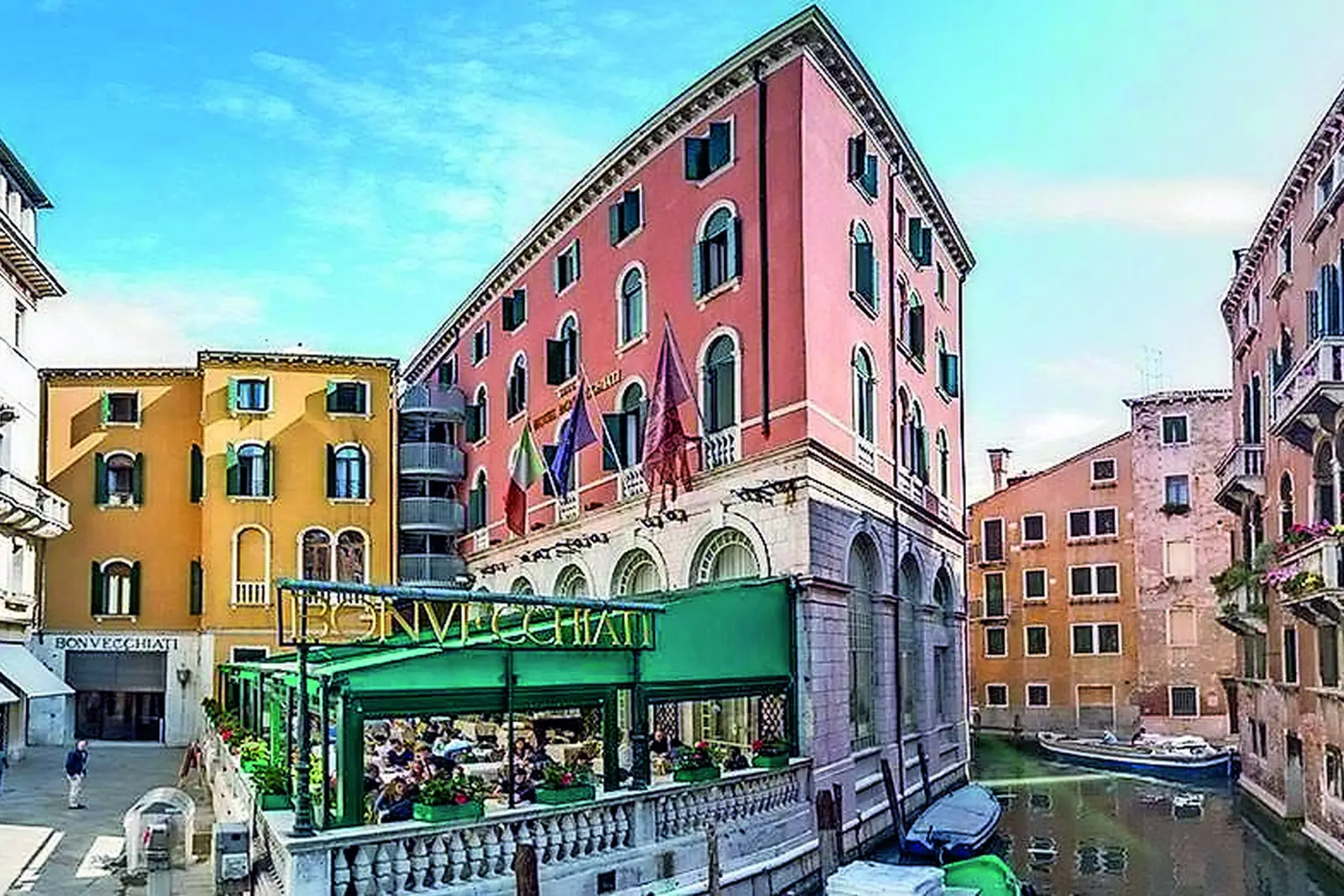
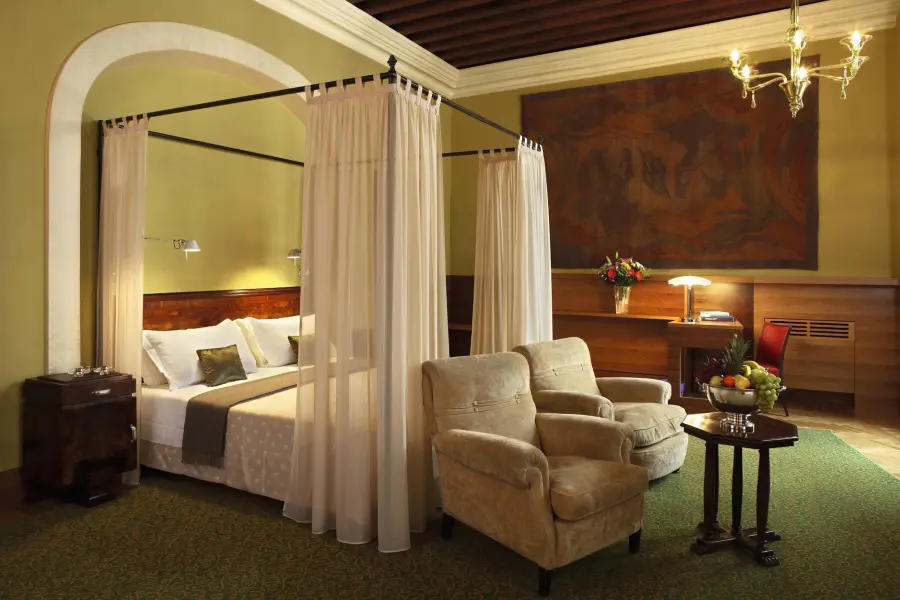
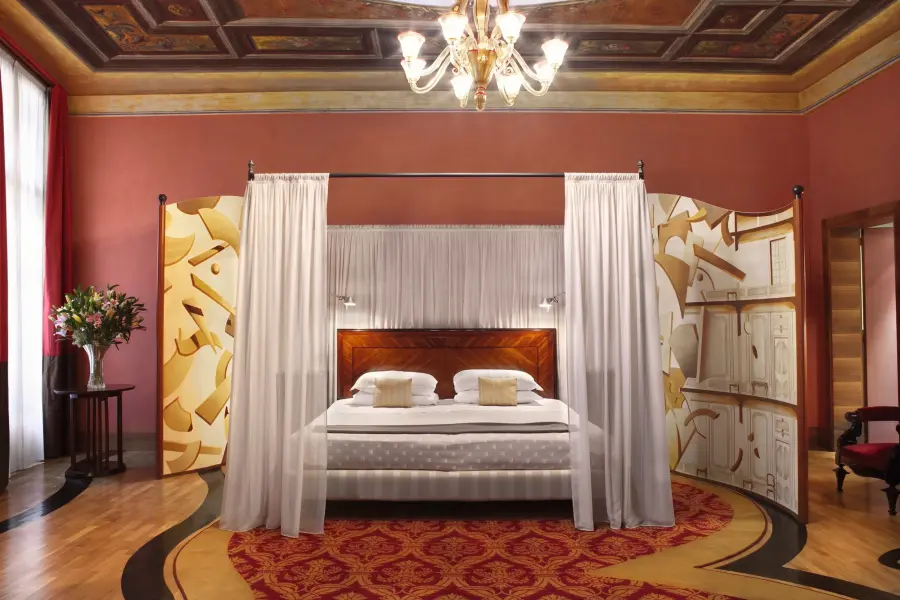
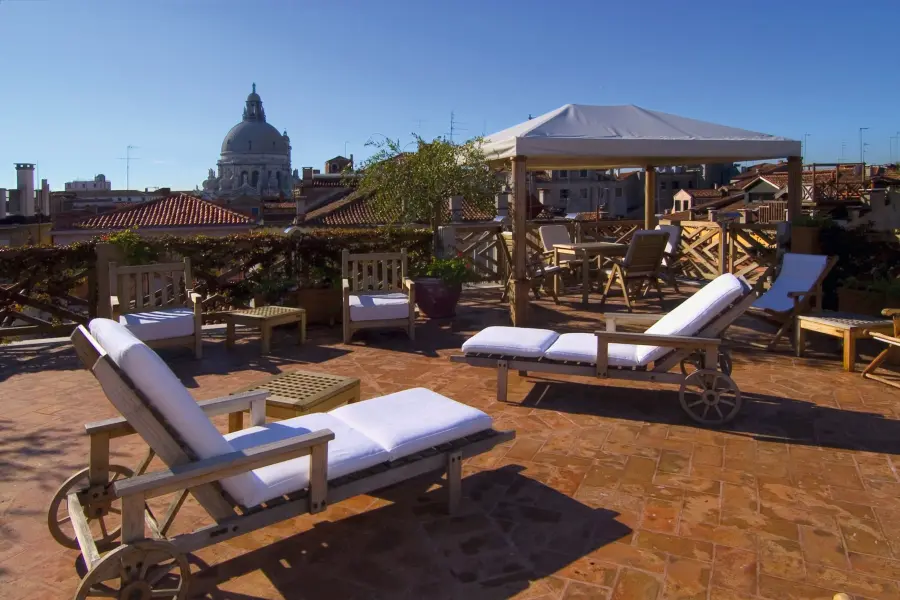
You will stay at the 4* Hotel Saturnia, perfectly located in the heart of Venice. St Mark's Square and the opera house are just a few minutes' walk away.
About the operas
Giacomo Puccini: "Madama Butterfly" – Japanese tragedy
" Un bel di, vedremo levarsi un fil di fumo sul' l'estremo"
In New York, Puccini saw David Belasco's play, a dramatisation of a Japanese novella by John Luther Long. He was fascinated by the geisha tragedy and the Far Eastern setting. The libretto was written by Luigi Illica and Giuseppe Giacosa. The composer familiarised himself with records of Japanese folk songs and attended the Japanese tragedy "Sada Yacco" in Milan. After his marriage to Elvira Bonturi in January 1904, "Madama Butterfly" premiered at La Scala in Milan on 17 February. It was a "fracasso", a flop, which turned into a triumph only after the opera had been revised.
The setting is the port city of Nagasaki around 1900.
The marriage broker Nakodo Goro shows Franklin Benjamin Pinkerton, an officer on the US Navy ship "Lincoln", his "Nido nuzial", which he wishes to buy. Sharpless, the US consul in Nagasaki, admires the view of the mountains and harbour. Pinkerton raves about free love, while Sharpless calls it "un facile vangelo", an easy gospel. Goro praises love that can be bought for next to nothing ("per nulla sol cento yen"). In his aria "Amore o grillo", Pinkerton weighs up whether it is love or whim that draws him to the butterfly with the delicate figure of a "paravento". Cio-Cio-San, alias Butterfly, praises the scent of spring and sings of her wealthy origins, which turned to poverty after her father's death and left her to make a living as a geisha at the age of 15. The arrival of her relatives amuses Pinkerton. From the sleeves of her kimono, Butterfly conjures all manner of trinkets: "fazzoletti, pipa, cintura, fermaglio, specchio, ventaglio" (handkerchiefs, pipe, belt, brooch, mirror, fan), and finally "una cosa sacra", a gift from the Mikado to her father, presented with the gesture of a slit stomach. She shows Pinkerton her "ottokè", her little dolls that represent the souls of her ancestors. Were she chosen to be his wife, she would convert to the Christian faith. Uncle Bonze, a Buddhist priest, must not learn of it, however. Il commissario permits Pinkerton the marriage "alla damigella Butterfly del quartiere d'Omara-Nagasaki". She already calls herself Madama F.B. Pinkerton. Bonze interrupts the celebrations. Calling her a traitor to her faith, he curses her soul and casts her out with the curse: "Kami sarundasico!"
Pinkerton comforts her. She feels "rinnegata e felice" (cast out and happy). He sees her as a "giocattolo", a toy, while she raises herself to the "Dea della luna".
Impoverished, the maid Suzuki and Butterfly long for Pinkerton's return. She sings the aria of longing: "Un bel di... (One fine day we shall see a wisp of smoke rising over the sea in the east). Holding on to Pinkerton's promise to return, she asks Sharpless: "Quando fanno il lor nido in America i pettirossi" (When do the robins build their nests in America?). His answer is evasive: "No ho studiato ornitologia". Goro wants to match her with the wealthy Prince Yamadori of Omura. Sharpless reads Pinkerton's letter, in which he calls her a "bel fior di fanciulla" and asks what she would do if he did not return even after four years. Her answer: "Tornar a divertir la gente col cantar oppure meglio morire!" She presents her son with his blue eyes and blond hair. A cannon shot announces Pinkerton's return. Butterfly is beside herself. Roses are to welcome him. But he does not come alone, but with his wife Kate. He wishes to bid farewell to the flowering home of joy and love ("Addio, fiorito asil di letizia e d'amor"). She hands her child over to Kate and stabs herself.
Gioacchino Rossini: "Il barbiere di Siviglia"
"Largo al factotum" – Il fortunatissimo barbiere
The Roman Cesare Sterbini wrote the libretto based on the comedy of the same name by Pierre-Augustin Caron de Beaumarchais, published in Paris in 1775. Gioacchino Rossini wrote his comic opera in 26 days. It premiered on 20 February 1816 under the composer's direction at the Teatro Argentina in Rome. Supporters of Giovanni Paisiello's earlier opera disapproved of the new setting, until Rossini prevailed and, as a brilliant opera buffa, it has dominated the repertoire of Europe's stages to this day.
The setting is Bartolo's house in Seville.
The miserly old doctor Dottore Bartolo has designs on his ward Rosina and her inheritance. Under the pseudonym Lindoro, Count Almaviva is also courting her. To achieve his aim, the Count bribes the barbiere Figaro. Rosina's music teacher Basilio spins an intrigue through slanderous accusations against the Count. Rosina signals her infatuation in a little note that she passes to Almaviva via Figaro. Disguised as the singing teacher "Don Alonzo", he gains entry to the Dottore's house. The deception is exposed and Almaviva is thrown out. A notary is to seal the wedding to Bartolo in great haste. The bribed music teacher is also summoned as a witness to the signing. In the end, Bartolo's guardianship has served its purpose. Almaviva rewards him by leaving him Rosina's dowry, while the Dottore sends the united couple on their way with heavenly blessings ("Andate pur, che il ciel vi benedica").
In his "Barbiere", Rossini pulls out all the stops of cheerful, comic styles in song and accompaniment, with a small orchestra modelled on Mozart (pairs of flutes, oboes, clarinets, bassoons, horns, trumpets and trombones, plus strings, percussion and guitar). Rosina's cavatina "Una voce poco fa" is considered the touchstone of coloratura for mezzo-sopranos. With the baritone title role, Rossini created a worthy successor to Mozart's Figaro in the comic repertoire, while the Count, as a heroic tenor, embodies the higher social class and Bartolo, in a deep bass, plays the quirky, comic old man through to the happy ending.